


What's Happening?
President Donald Trump announced the pardon of six individuals who were allegedly persecuted by the Biden administration for violations related to the Clean Air Act. In a statement on Truth Social, Trump claimed these individuals were wrongfully imprisoned
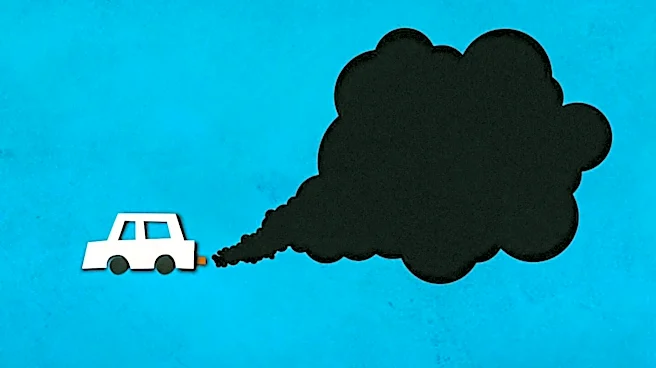
for actions he described as 'fixing their car.' He criticized the previous administration's handling of environmental regulations, labeling it as part of a broader misuse of power. The specific identities of those pardoned were not disclosed, and the White House has not provided further details. This move follows the Justice Department's earlier decision to cease pursuing criminal charges under the Clean Air Act for tampering with vehicle diagnostic devices. The Clean Air Act is a federal law aimed at controlling air pollution from various sources.
Why It's Important?
This development underscores ongoing political tensions surrounding environmental policy in the United States. President Trump's decision to pardon these individuals highlights his administration's continued rollback of environmental regulations, a stance that has been a hallmark of his policy approach. This action may have significant implications for environmental enforcement and regulatory practices, potentially affecting industries reliant on emissions standards. It also reflects broader political divides over the balance between economic interests and environmental protection. Stakeholders in the automotive and manufacturing sectors, as well as environmental advocacy groups, may be particularly impacted by these policy shifts.
What's Next?
The pardons could lead to further scrutiny of the Trump administration's environmental policies and their long-term effects on regulatory frameworks. Environmental groups may challenge these actions, potentially leading to legal battles over the interpretation and enforcement of the Clean Air Act. Additionally, this move may influence future legislative efforts to either strengthen or weaken environmental protections, depending on the political climate and public response. The administration's deregulatory agenda is likely to continue, with potential implications for future environmental policy and enforcement.