


What's Happening?
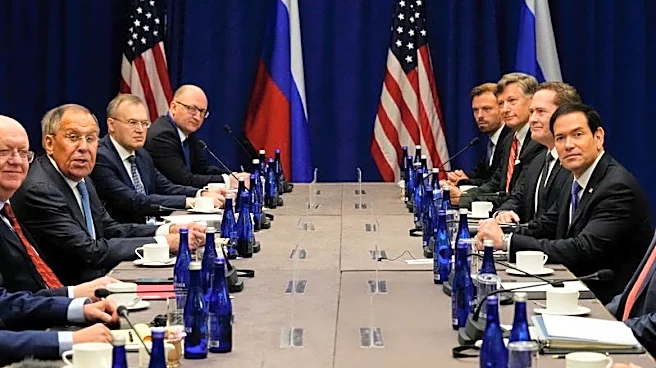
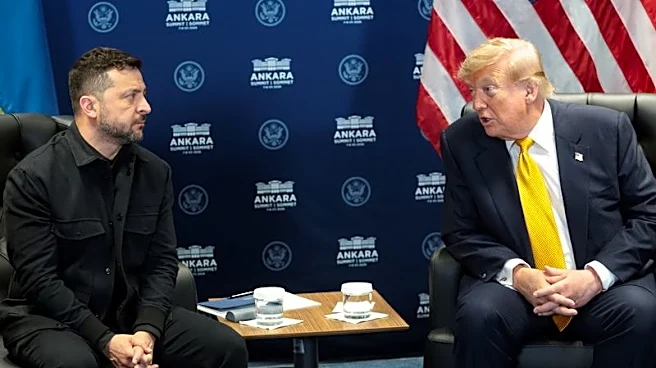
U.S. presidential envoys Steve Witkoff and Jared Kushner have temporarily paused ongoing peace consultations to engage directly with Moscow and international allies. This move, announced by Ukrainian President Volodymyr Zelenskyy on September 23, aims
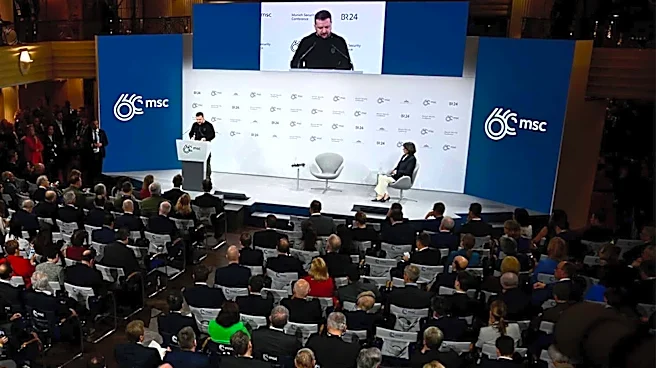
to negotiate a limited, reciprocal ceasefire focused on agricultural grain exports and energy infrastructure between Ukraine and Russia. Secretary of State Marco Rubio confirmed that both Ukraine and Russia have expressed interest in such a ceasefire. President Trump had previously conveyed his displeasure regarding Ukrainian deep strikes on Russia’s energy sector, arguing that these disruptions were destabilizing global petroleum markets. Zelenskyy, while confirming substantive working-level sessions with Witkoff and Kushner, stated that Ukraine would only halt strikes against Russian refineries if Russia simultaneously ceased bombardments against Ukrainian energy grids, port facilities, and agricultural export corridors.
Why It's Important?
This diplomatic maneuver is highly significant as it indicates a potential shift in the U.S. approach to the conflict, prioritizing an energy and grain ceasefire. Such an agreement could alleviate global concerns about food security and energy prices, which have been severely impacted by the ongoing conflict. The direct engagement with Moscow by U.S. envoys, even if temporary, suggests a willingness to explore alternative pathways to de-escalation beyond traditional peace talks. For the U.S., stabilizing global markets aligns with broader economic interests. For Ukraine, a reciprocal ceasefire on energy and grain infrastructure could offer a much-needed respite from attacks on critical infrastructure, while for Russia, it could provide a mechanism to resume vital exports. The involvement of President Trump's envoys also highlights the administration's direct role in attempting to mediate aspects of the conflict, potentially influencing the broader geopolitical landscape.
What's Next?
The U.S. envoys, Steve Witkoff and Jared Kushner, will spend several weeks conducting outreach with Moscow and coalition partners to develop actionable negotiation formats. Ukrainian President Zelenskyy pointed to the upcoming G20 summit in Miami in December as a potential venue for a high-level trilateral meeting to achieve concrete diplomatic outcomes. The success of these negotiations hinges on Russia's willingness to agree to a reciprocal ceasefire, particularly regarding its attacks on Ukrainian energy and agricultural infrastructure. If successful, this could lead to a de-escalation of hostilities in specific sectors and potentially pave the way for broader peace discussions. However, if reciprocity cannot be established, the current diplomatic pause may not yield the desired results, and the conflict's impact on global energy and food markets will likely persist.
Beyond the Headlines
The focus on an 'energy ceasefire' and 'agricultural grain exports' reveals a pragmatic approach to conflict resolution, targeting specific economic and humanitarian pain points rather than a comprehensive peace deal. This strategy acknowledges the interconnectedness of global markets and geopolitical stability, suggesting that economic incentives can be leveraged to achieve limited de-escalation. The direct involvement of President Trump's envoys, bypassing traditional diplomatic channels, also raises questions about the future of international diplomacy and the role of non-career diplomats in high-stakes negotiations. Furthermore, the emphasis on reciprocity from Ukraine underscores the complex power dynamics at play, where any concession must be met with an equivalent action from Russia. This approach could set a precedent for future conflict mediations, where specific, mutually beneficial ceasefires are pursued as stepping stones towards broader peace, rather than waiting for an all-encompassing agreement.