







What's Happening?
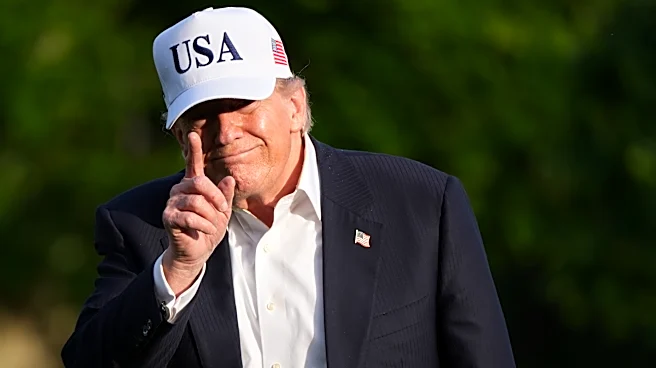
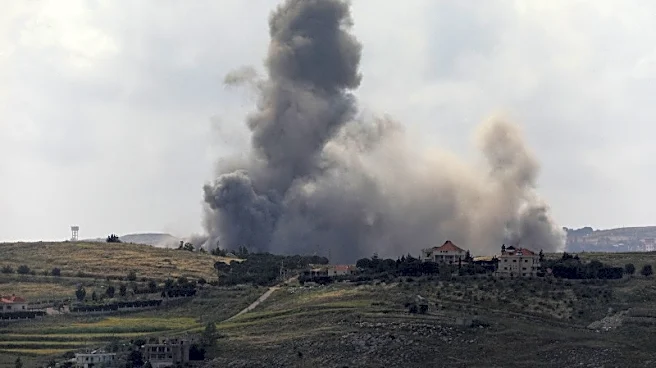
President Trump has decided to pause a planned military attack on Iran, originally scheduled for May 19, to allow for further negotiations. This decision comes amid heightened tensions in the Middle East, which had previously led to a rise in the U.S.
dollar and a selloff in global bond markets. The U.S. dollar index, which measures the dollar's strength against a basket of six currencies, rose by 0.1% to 99.076. The decision to halt the attack has eased fears of an escalation in the conflict, leading to a stabilization of the dollar and a decrease in U.S. Treasury yields. Brent crude oil prices also fell by 2% as a result of the announcement.
Why It's Important?
The decision to pause the attack on Iran has significant implications for global markets and U.S. foreign policy. By opting for negotiations, President Trump has potentially averted a further escalation in the Middle East, which could have disrupted global energy markets and increased inflationary pressures. The stabilization of the U.S. dollar and the decrease in Treasury yields suggest a temporary easing of market fears. This move also reflects the complex interplay between military decisions and economic stability, highlighting the importance of diplomatic efforts in maintaining global economic balance.
What's Next?
The U.S. military remains on standby, ready to act if negotiations with Iran do not yield a satisfactory outcome. The situation in the Middle East will continue to be closely monitored by global markets, with potential impacts on oil prices and currency movements. Additionally, the Federal Reserve's upcoming meeting in December will be crucial, as market participants assess the likelihood of interest rate hikes in response to ongoing geopolitical tensions and economic data.