





What's Happening?
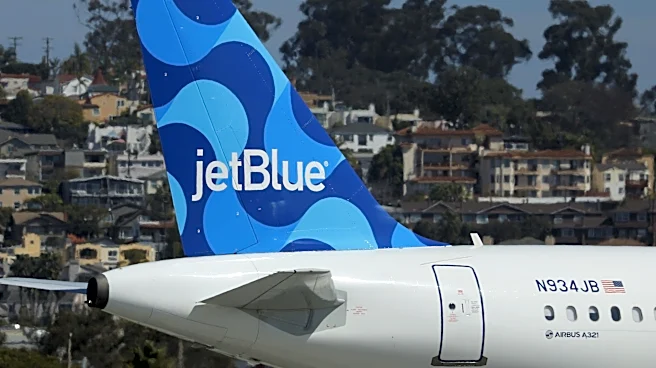
At least five individuals sustained injuries aboard JetBlue Flight 1717, which was bound for Fort Lauderdale, Florida, after the aircraft encountered turbulence. The Broward County Sheriff's Office confirmed the incident, stating they received a call
at 6:25 a.m. regarding injuries on the incoming flight. The flight landed safely at Fort Lauderdale-Hollywood International Airport just before 7 a.m. ET. Following the landing, medical personnel evaluated the customers and crewmembers for injuries, though no one required transportation to a hospital, according to a statement from JetBlue. The FOX Forecast Center noted that light low-elevation thunderstorms were present at the time of arrival, but no major thunderstorms were occurring. Turbulence, characterized by sudden and sometimes violent shifts in airflow, can be caused by temperature differences, changes in wind speed or direction, or air flowing around geographical obstacles.
Why It's Important?
This incident highlights the inherent risks associated with air travel, particularly concerning turbulence, which can occur unexpectedly even in seemingly mild weather conditions. For passengers, such events can cause physical injury and psychological distress, potentially leading to increased anxiety about flying. For airlines like JetBlue, incidents involving passenger injuries, even minor ones, can impact their reputation and potentially lead to increased scrutiny regarding safety protocols and passenger communication during turbulent events. The fact that no one was hospitalized is a positive outcome, but any injury on board necessitates a review of procedures and crew responses. The broader aviation industry continuously works to mitigate the effects of turbulence through improved forecasting and pilot training, but these events underscore the unpredictable nature of atmospheric conditions.
What's Next?
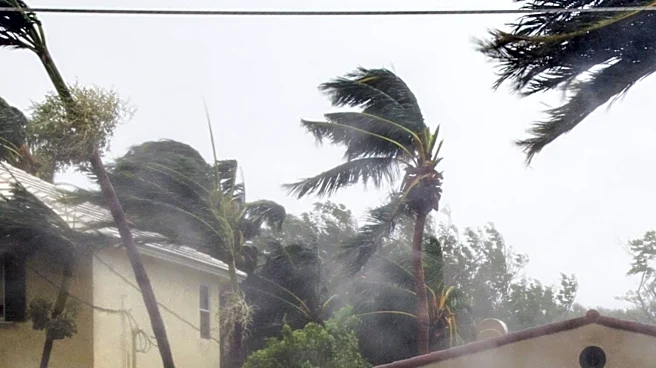
Following the incident, JetBlue will likely conduct an internal review to assess the circumstances surrounding the turbulence and the crew's response. This typically involves examining flight data recorders, weather reports, and crew statements to understand the event fully. Passengers who sustained injuries may follow up with the airline regarding their medical evaluations and any potential claims, though the source indicates no hospitalizations. The Federal Aviation Administration (FAA) may also review the incident as part of its oversight responsibilities to ensure compliance with safety regulations. For travelers, this event serves as a reminder of the importance of keeping seatbelts fastened even when the seatbelt sign is off, as turbulence can strike without warning. The ongoing multiday flood threat along Florida's Atlantic Coast, mentioned in the context of the weather, suggests that pilots and airlines operating in the region will continue to monitor weather patterns closely.
Beyond the Headlines
Beyond the immediate injuries, this event touches upon the broader challenge of managing passenger expectations and safety in an environment where weather phenomena are increasingly dynamic. While modern aircraft are designed to withstand significant turbulence, the comfort and safety of passengers remain paramount. The incident also subtly underscores the role of real-time weather forecasting in aviation. Although no major thunderstorms were present, light low-elevation storms were noted, indicating that even seemingly minor weather conditions can contribute to turbulence. This reinforces the continuous need for advancements in meteorological science and its application in aviation to provide pilots with the most accurate and timely information possible. Furthermore, the incident may prompt discussions within the airline industry about enhancing passenger awareness campaigns regarding turbulence safety, emphasizing the importance of adhering to crew instructions and keeping seatbelts secured.