
What's Happening?
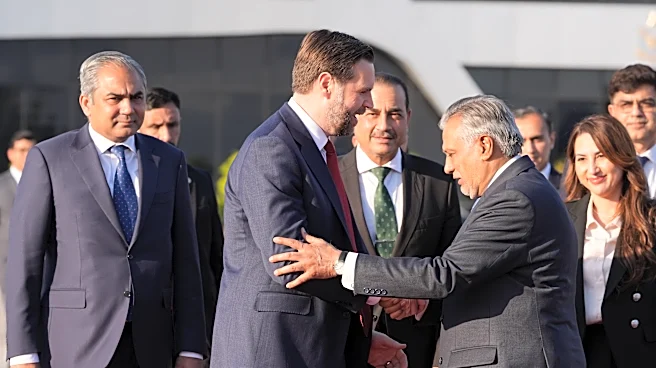
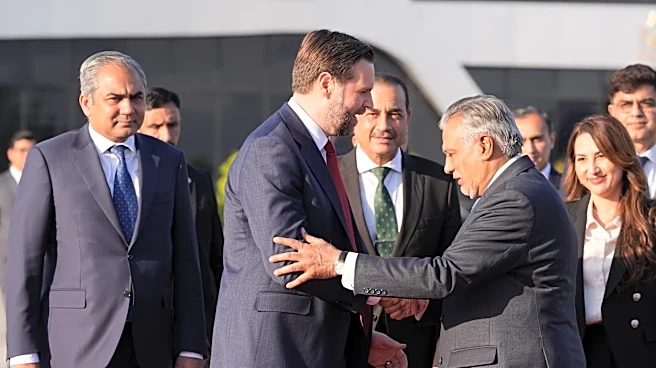
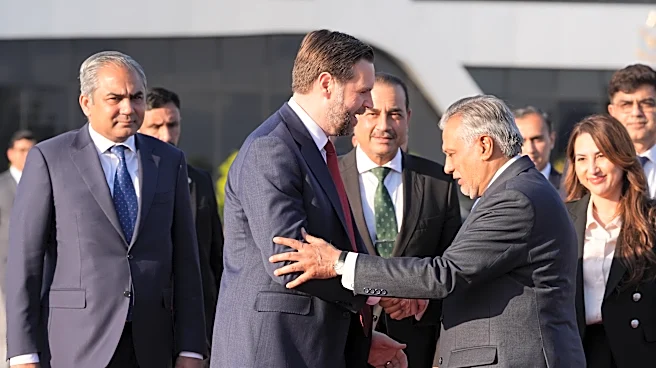
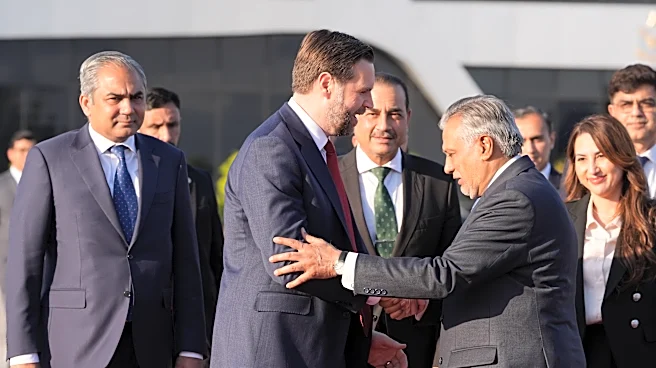
President Trump has suggested that peace talks between the United States and Iran could resume in the coming days, facilitated by Pakistan's army chief, Field Marshal Asim Munir. This development follows
a US-imposed naval blockade on Iranian ports, which has effectively halted maritime traffic and led to a significant increase in global oil prices. The blockade is part of a broader strategy to exert economic pressure on Iran, following a breakdown in previous negotiations over Iran's nuclear program. The talks, which are expected to take place in Islamabad, aim to address key issues such as Iran's uranium enrichment activities. The US has demanded a 20-year suspension of these activities, while Iran has offered a shorter moratorium. The situation remains tense, with both sides expressing differing views on the terms of any potential agreement.
Why It's Important?
The potential resumption of US-Iran peace talks is significant as it could lead to a de-escalation of tensions in the Middle East, particularly concerning Iran's nuclear ambitions. The blockade and the resulting spike in oil prices have global economic implications, affecting energy markets and potentially leading to increased costs for consumers worldwide. Successful negotiations could stabilize the region and lead to a reduction in military confrontations, benefiting international trade and security. However, the outcome of these talks is uncertain, with both sides holding firm on their positions. The involvement of Pakistan as a mediator highlights the complex geopolitical dynamics at play, with regional powers like Saudi Arabia, Egypt, and Turkey also showing interest in the peace process.
What's Next?
If the talks proceed, they could lead to a temporary easing of tensions and possibly a new agreement on Iran's nuclear program. However, the success of these negotiations will depend on the willingness of both parties to compromise on key issues. The US is likely to continue its pressure tactics, including the blockade, to gain leverage in the talks. Meanwhile, Iran may seek to rally support from other regional powers to strengthen its negotiating position. The outcome of these talks could have far-reaching implications for US foreign policy and its relations with Middle Eastern countries.
Beyond the Headlines
The situation underscores the broader challenges of nuclear non-proliferation and the complexities of international diplomacy. The US's approach to Iran reflects a broader strategy of using economic sanctions and military pressure to achieve foreign policy objectives. This strategy, however, carries risks, including the potential for military escalation and further destabilization of the region. The involvement of multiple countries in the mediation process highlights the interconnected nature of global politics and the importance of multilateral diplomacy in resolving international conflicts.