



What's Happening?
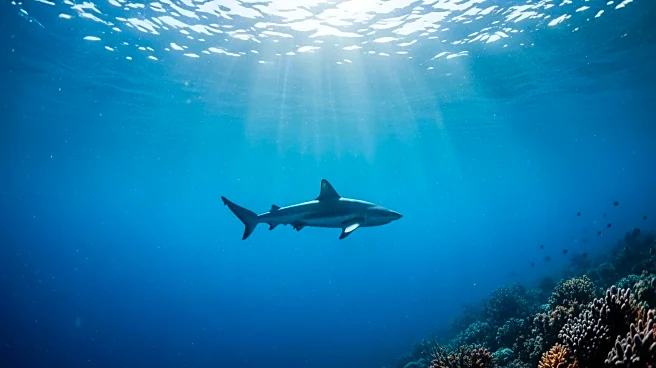
A recent study has uncovered that Greenland sharks, known for their remarkable longevity, exhibit significant signs of heart disease without it affecting their lifespan. These sharks, which can live between 250 and 500 years, show severe age-related markers
such as fibrosis and the presence of lipofuscin and nitrotyrosine in their heart tissues. Despite these indicators, which in humans would suggest potential heart failure, the sharks maintain their health and longevity. The research, conducted by a team including Alessandro Cellerino from Scuola Normale Superiore in Pisa, Italy, involved analyzing the hearts of six Greenland sharks aged between 100 and 150 years. The findings suggest that these sharks have evolved mechanisms to tolerate oxidative damage rather than minimizing it, which may contribute to their extended lifespans.
Why It's Important?
The study of Greenland sharks provides valuable insights into the mechanisms of ageing and longevity, which could have significant implications for human health and ageing research. Understanding how these sharks manage to live with severe heart disease without a reduction in lifespan could inform new strategies for promoting healthy ageing in humans. The research challenges current understanding of molecular and cellular ageing processes, highlighting the need to study a broader range of species to uncover the secrets of longevity. This could potentially lead to breakthroughs in age-related health issues and improve quality of life for the ageing population.
What's Next?
Future research may focus on identifying the specific genetic and molecular adaptations that allow Greenland sharks to thrive despite significant heart disease. Scientists may also explore the potential application of these findings to human medicine, particularly in developing treatments for age-related diseases. Additionally, the study suggests a need to diversify the species used in ageing research, moving beyond traditional models like mice and rats to include long-lived species such as the Greenland shark and the bowhead whale.
Beyond the Headlines
The findings raise intriguing questions about the evolutionary biology of ageing and the potential for certain species to develop unique adaptations to environmental stressors. The Greenland shark's ability to withstand oxidative stress and inflammation without apparent detriment to its health could inspire new lines of inquiry into resilience and adaptation in other species, including humans. This research underscores the complexity of ageing and the potential for nature to offer solutions to human health challenges.