



What's Happening?
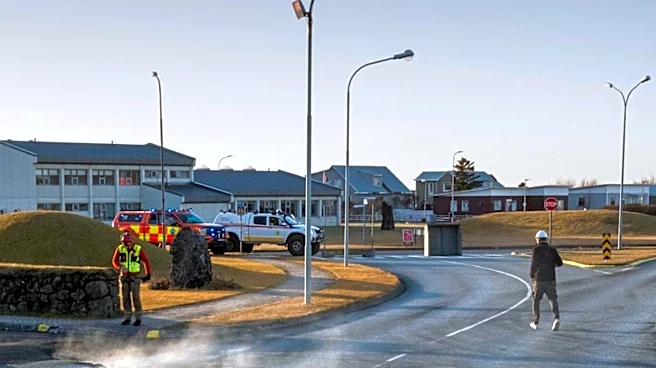
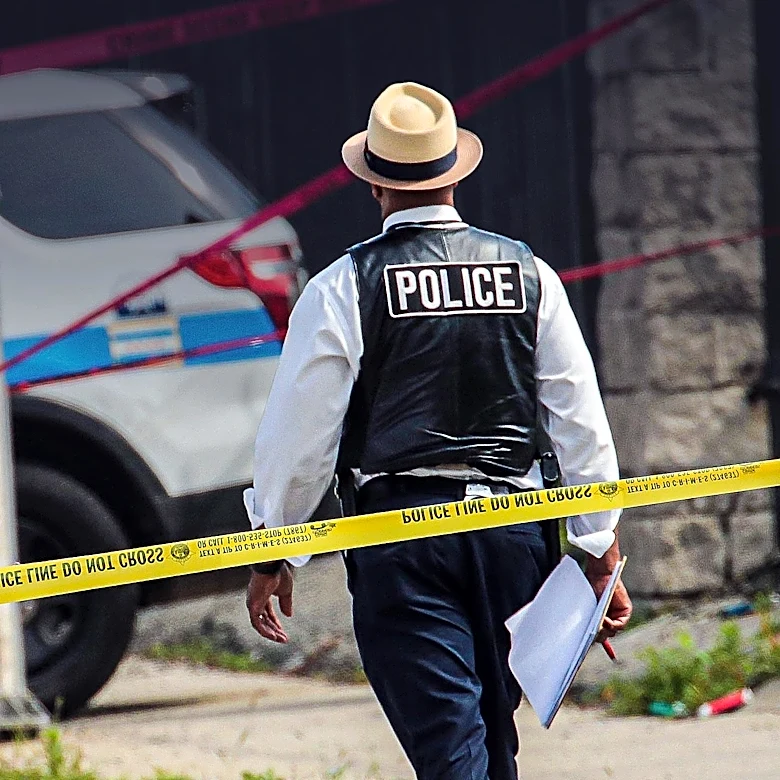
A significant police presence was deployed in Yonkers following a swatting incident where a caller falsely reported a shooting on Ashburton Avenue. Authorities responded to the scene to investigate the report. After a thorough investigation, law enforcement
officials determined that the call was a hoax. The incident led to a large-scale mobilization of police resources, diverting them from genuine emergencies. Investigators are now actively working to identify the individual responsible for making the false report. This type of incident, known as swatting, involves making a false report to emergency services in an attempt to draw a large police response to a particular address, often with malicious intent.
Why It's Important?
Swatting incidents pose a serious threat to public safety and waste valuable emergency resources. When police and other emergency personnel are dispatched to a false alarm, they are unavailable to respond to actual emergencies, potentially delaying critical assistance to those in genuine need. Furthermore, these hoaxes can create dangerous situations for both the unsuspecting residents of the targeted location and the responding officers, who arrive expecting a high-stakes scenario. The financial cost of such responses, including personnel hours and equipment deployment, also places an unnecessary burden on municipal budgets. The ongoing investigation to identify the perpetrator highlights the legal and societal consequences associated with these deceptive acts, aiming to deter future occurrences and protect community resources.
What's Next?
Authorities in Yonkers are continuing their investigation to identify and apprehend the individual responsible for the swatting hoax. This will likely involve tracing the origin of the false call and gathering digital evidence. Once identified, the perpetrator could face severe legal consequences, including charges for making false reports, obstruction of governmental administration, and potentially other offenses depending on the specifics of the incident and state laws. Law enforcement agencies across the country are increasingly focused on prosecuting swatting perpetrators to send a strong message against such dangerous and disruptive behavior. The incident may also prompt discussions within the Yonkers police department about protocols for verifying emergency calls, especially those with characteristics common to swatting attempts, to minimize the impact of future hoaxes.
Beyond the Headlines
The rise of swatting incidents reflects a broader challenge in the digital age, where anonymity and ease of communication can be exploited for malicious purposes. Beyond the immediate disruption and resource drain, swatting can have lasting psychological impacts on the victims, who are often subjected to terrifying and unexpected police raids. It also erodes public trust in emergency services if such incidents become frequent, potentially leading to skepticism about genuine calls for help. The legal framework around swatting is evolving, with lawmakers and courts grappling with how to effectively deter and punish these acts, which often originate from outside the immediate jurisdiction. This incident underscores the need for continued vigilance and technological advancements in call tracing and verification to combat this growing form of digital harassment and crime.