







What's Happening?
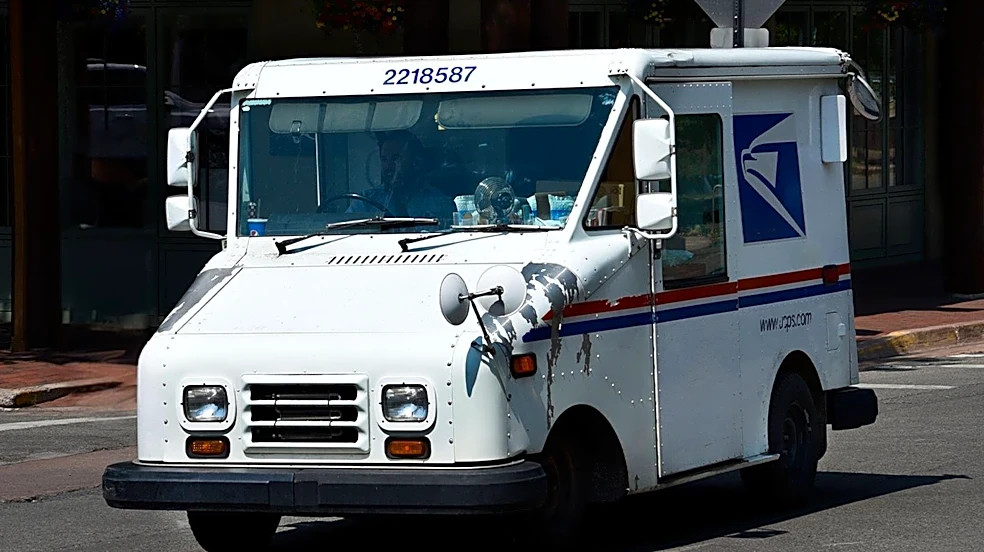
Representative Suzanne Bonamici and Senators Ron Wyden and Jeff Merkley, all from Oregon, have formally requested explanations from the United States Postal Service (USPS) concerning ongoing and significant mail delivery problems in Astoria and surrounding
areas. The lawmakers highlighted that local government offices, including the city and county, and numerous downtown businesses in Astoria are experiencing irregular or non-existent mail delivery, despite their proximity to the Astoria Post Office. They noted that the Astoria Post Office has refused to hold mail for city officials, causing disruptions in local commerce and governance, with payments being delivered late or not at all. Concerns were also raised about Amazon packages, delivered via USPS, arriving on time while local small businesses face unreliable service. Similar issues were reported in Warrenton, Gearhart, and Rainier, including difficulties in finding a new post office location, lack of home delivery for many residents, and issues with PO Box usage. Representative Bonamici's attempt to speak with the Astoria Postmaster in person was denied.
Why It's Important?
The persistent mail delivery failures in northwest Oregon, as highlighted by the lawmakers, underscore a critical breakdown in essential infrastructure that impacts local economies, governance, and the daily lives of residents. Businesses are suffering from delayed or lost payments, hindering commerce and potentially leading to financial instability. Local governments are facing disruptions in their operations, which can affect public services and administrative efficiency. The disparity in delivery reliability between large retailers like Amazon and local small businesses raises questions about USPS priorities and equitable service provision. For residents, the lack of consistent mail delivery affects access to vital communications, medications, and online purchases, creating significant inconvenience and potential hardship. These issues collectively erode public trust in a fundamental government service and can have long-term negative consequences for community well-being and economic vitality in the affected regions.
What's Next?
The Members of Congress have demanded a written response from the USPS within 14 days, outlining how the agency plans to address the described issues and providing answers to specific questions regarding regular mail services in Astoria, the status of the Warrenton post office search, reasons for lack of home delivery in Gearhart and Rainier, and plans to remedy potential understaffing. They have also requested that USPS schedule a meeting with local elected officials in Clatsop and Columbia counties and hold an informational session for residents within the next 60 days to discuss the agency's plans. The lawmakers' offices have offered to collaborate with USPS and community leaders to find mutually agreeable times and locations for these meetings. The outcome of these demands will determine the immediate steps USPS takes to rectify the mail delivery problems and restore reliable service to the affected communities.
Beyond the Headlines
The ongoing mail delivery issues in northwest Oregon, and the congressional intervention they have prompted, point to broader systemic challenges within the United States Postal Service. The contrast between reliable Amazon package delivery and unreliable mail for local entities suggests potential operational shifts or resource allocation priorities within USPS that may inadvertently disadvantage smaller-scale mail users. This situation could reflect the increasing strain on USPS resources, staffing shortages, or logistical complexities in maintaining universal service standards across diverse geographic areas. The lawmakers' emphasis on mail as "essential infrastructure" highlights its foundational role in a functioning society, extending beyond mere communication to encompass economic transactions, healthcare access, and civic engagement. The resolution of these local issues could serve as a case study for addressing similar challenges in other regions and may prompt a re-evaluation of USPS operational strategies and funding models to ensure equitable and reliable service nationwide.