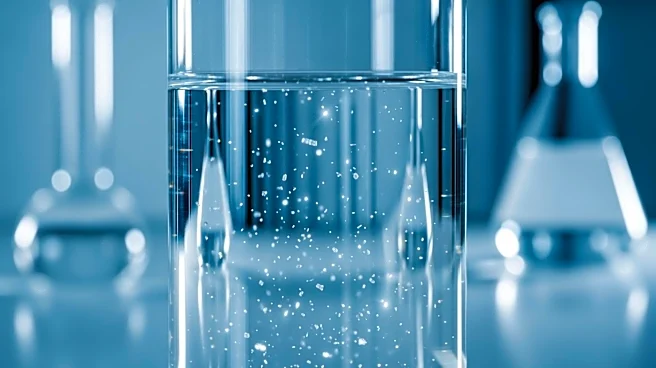








What's Happening?
The University of Pennsylvania in Philadelphia is actively working on developing new methods to detect microplastics. The lab is focused on creating innovative techniques to identify and clean up these potential toxins, which are increasingly recognized
as a significant environmental concern. Microplastics, tiny plastic particles that result from the breakdown of larger plastic items, pose a threat to ecosystems and human health. The lab's efforts are part of a broader initiative to address the challenges posed by plastic pollution, which has garnered attention from environmental organizations and governments worldwide.
Why It's Important?
Microplastics are a growing environmental issue, with implications for both ecological systems and human health. The development of new detection methods by the University of Pennsylvania could lead to more effective strategies for managing and mitigating the impact of plastic pollution. This research is crucial as it contributes to the global effort to understand and address the pervasive problem of microplastics. By improving detection capabilities, the lab's work could inform policy decisions and drive innovation in waste management practices, ultimately benefiting public health and environmental sustainability.