







What's Happening?
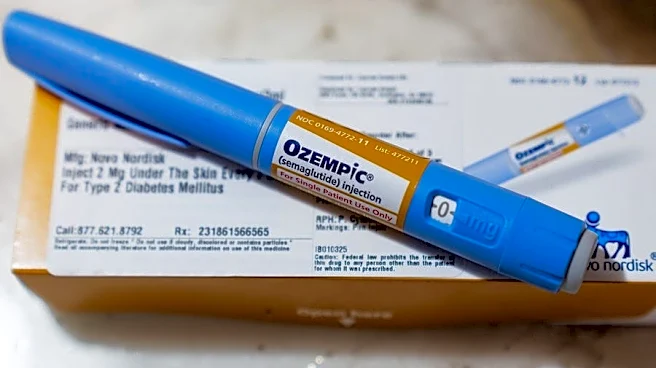
A new study published in the journal Childhood Obesity indicates that weight-loss drugs like Ozempic and Zepbound, while powerful tools against childhood obesity, are not without risks. The research found that approximately 1 in 6 children prescribed
a GLP-1 medication were diagnosed with a nutritional deficiency within a year of starting treatment. Vitamin D deficiency was the most common, affecting over 12% of children, followed by anemia (nutritional and iron-deficiency). Researchers analyzed insurance claims data from 2017 to 2022 for over 2,000 children aged 10 to 17 who received a GLP-1 drug. The average age of these children was 15, with nearly 63% diagnosed with obesity. Senior author Justin Ryder, vice chair of research at Ann & Robert H. Lurie Children’s Hospital of Chicago, emphasized the importance of proactive nutritional management, noting that only 5% of patients received nutritional counseling within 30 days of GLP-1 treatment, and less than 25% within six months.
Why It's Important?
This study highlights a critical concern regarding the growing use of GLP-1 medications in pediatric populations. Childhood and adolescence are pivotal periods for growth and development, requiring adequate energy, protein, and nutrients. The appetite-suppressing effects of GLP-1 drugs, while beneficial for weight loss, can inadvertently lead to nutritional deficits that may have lasting implications for skeletal health and overall development, particularly concerning nutrients like vitamin D, iron, and calcium. The low rates of nutritional counseling observed in the study underscore a significant gap in current clinical practice. Without proper guidance, children and teens on these medications may face preventable health complications. This issue is important for healthcare providers, parents, and policymakers, as it necessitates a more comprehensive approach to pediatric obesity treatment that integrates nutritional support and monitoring alongside pharmacotherapy to ensure patient safety and optimal developmental outcomes.
What's Next?
The findings suggest an urgent need for revised clinical guidelines and increased emphasis on nutritional counseling for children and teens prescribed GLP-1 medications. Healthcare providers will likely be encouraged to implement proactive nutritional assessments and interventions, including dietary guidance and supplementation, from the outset of treatment. Educational initiatives for both medical professionals and families will be crucial to raise awareness about the potential for nutritional deficiencies and the importance of monitoring. Further research may focus on developing specific nutritional protocols tailored for pediatric GLP-1 users and investigating the long-term developmental impacts of these deficiencies. Policymakers and insurance providers might also consider mandating or incentivizing nutritional counseling as part of GLP-1 treatment plans for minors to ensure comprehensive care and mitigate risks.
Beyond the Headlines
This issue extends beyond immediate health concerns, touching upon broader societal implications of addressing childhood obesity with powerful pharmacological tools. It raises ethical considerations about the long-term effects of altering metabolic processes during critical developmental stages. The study implicitly questions whether the current healthcare system is adequately equipped to provide the holistic support necessary when prescribing such potent medications to a vulnerable population. It also highlights the tension between rapid weight loss and sustained healthy development, suggesting that a purely pharmacological approach without robust lifestyle and nutritional support may create new health challenges. The findings could spark a wider debate on the balance between medical intervention and comprehensive lifestyle changes in pediatric obesity management, emphasizing the need for integrated care models that prioritize both physical and developmental well-being.