




What's Happening?
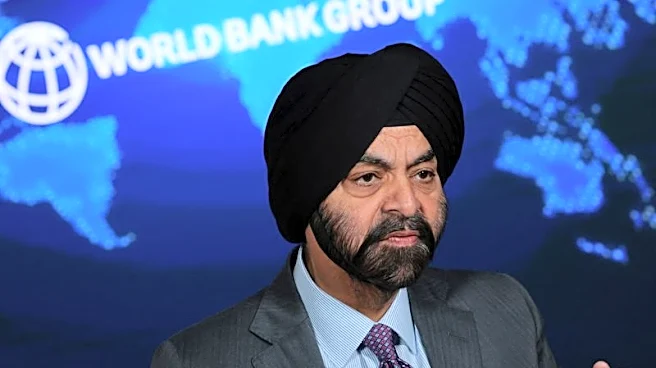
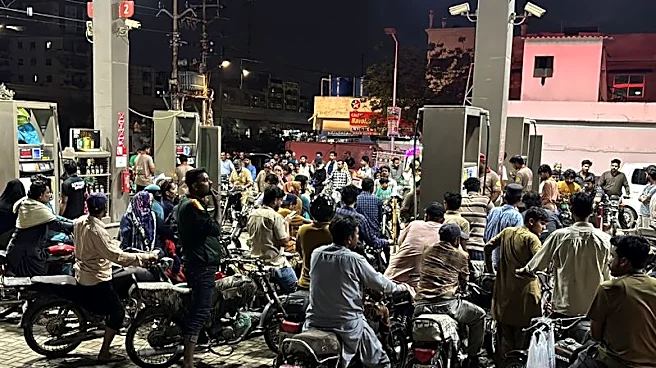
The Centre for the Promotion of Private Enterprise (CPPE) has criticized the World Bank's recommendation for increased importation of petroleum products and food in Nigeria. Dr. Muda Yusuf, CPPE founder, argues that this advice contradicts Nigeria's reform
path and threatens long-term development goals. He emphasizes that industrialization is crucial for Nigeria's economic transformation and warns that import-driven solutions could lead to de-industrialization, limit job creation, and expose the economy to external shocks. Yusuf advocates for a coherent industrial strategy to expand domestic production capacity and strengthen manufacturing competitiveness.
Why It's Important?
The CPPE's stance highlights the ongoing debate over Nigeria's economic strategy and the balance between import dependence and domestic production. Increased imports could undermine local industries, leading to job losses and weakened economic resilience. The criticism of the World Bank's recommendations reflects broader concerns about the impact of global economic policies on developing countries. By advocating for industrialization, the CPPE emphasizes the importance of building a self-reliant economy that can withstand external pressures and contribute to sustainable growth.
What's Next?
The CPPE's call for industrial focus may influence policy discussions and encourage the Nigerian government to prioritize domestic production and manufacturing. This could lead to the implementation of policies that support local industries, reduce production costs, and improve infrastructure. The World Bank may need to reassess its recommendations and consider the unique challenges faced by Nigeria in its economic development. Stakeholders in the Nigerian economy, including businesses and policymakers, are likely to engage in further discussions on the best path forward for economic growth.
Beyond the Headlines
The debate over import dependence versus industrialization raises broader questions about economic sovereignty and the role of international organizations in shaping national policies. It also highlights the need for developing countries to balance global economic integration with domestic priorities. Long-term, this could lead to shifts in economic policy and increased efforts to build resilient, self-sufficient economies that can thrive in a globalized world.