





What's Happening?
Solidarités International (SI), an international humanitarian aid association, is actively seeking a Head of Security & Humanitarian Access for its mission in Kyiv, Ukraine. This role is critical as SI continues to provide assistance to populations affected
by the ongoing conflict, focusing on immediate emergency response and transitioning towards early recovery interventions. The organization's strategic objective for 2026 is to strengthen its expertise in Water, Sanitation, and Hygiene (WASH) and Shelter, with a program strategy structured around responding to acute and chronic emergencies and contributing to dignified return or sustainable stay in stable areas. The mission operates with a budget of approximately 10 million euros, three field bases in Mykolaiv, Dnipro, and Kharkiv, and a coordination office in Kyiv, employing 110 staff. The Head of Security and Humanitarian Department will oversee the definition of access, safety, and security strategies, implement information gathering and analysis, and ensure compliance with SI's regulatory framework and Minimum Operational Standards for Security and Access. The role requires a Master's degree in a humanitarian or security-related field, over five years of experience in the humanitarian sector, and 3-4 years in similar positions.
Why It's Important?
This recruitment highlights the persistent and evolving challenges faced by humanitarian organizations operating in conflict zones. The need for a dedicated Head of Security & Humanitarian Access underscores the complex and volatile security environment in Ukraine, characterized by a static frontline, dynamic security context, increasing range of drones, systemic targeting of critical infrastructure, and massive attacks. The decreasing humanitarian access and challenged humanitarian principles further complicate aid delivery, making the role of security and access coordination paramount for the safety of staff and the effectiveness of humanitarian operations. The focus on WASH and Shelter by Solidarités International addresses fundamental needs, as unsafe water is a leading cause of death globally, and displacement necessitates adequate shelter. The organization's shift towards early recovery interventions signifies a long-term commitment beyond immediate emergency relief, aiming to build resilience and facilitate sustainable living conditions for affected populations. The successful placement of this role will directly impact SI's ability to deliver aid efficiently and safely, ensuring that vital services reach those most in need amidst ongoing hostilities.
What's Next?
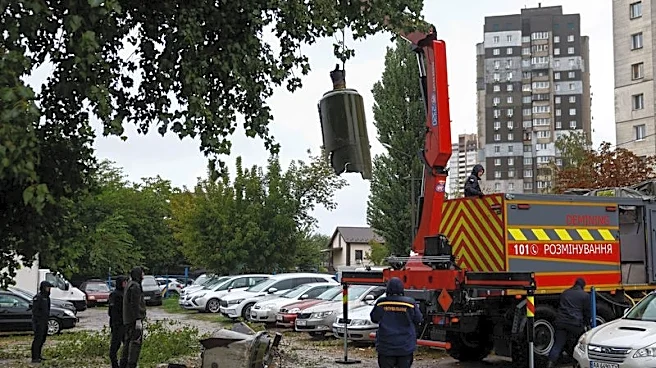
The immediate next step is the selection and onboarding of a qualified candidate for the Head of Security & Humanitarian Access position. This individual will be tasked with contributing to SI’s access strategy in areas like Sumy oblast and Kherson city, maintaining high standards in security management despite staff turnovers, and conducting dynamic risk assessments. The role will also involve participating in the capacity-building of local partners, which is crucial for fostering sustainable local humanitarian response capabilities. Solidarités International will continue to operate under existing security constraints, including curfews, frequent massive attacks targeting Kyiv, and daily drone presence leading to air alarms and the need for shelter. The adaptability of both sides to the conflict will necessitate frequent adaptive measures from the humanitarian organization. The organization is also actively approaching additional donors to expand and diversify its portfolio, aligning with its programmatic priorities and ensuring continued funding for its critical operations in Ukraine.
Beyond the Headlines
The ongoing need for a Head of Security & Humanitarian Access in Ukraine reflects a broader trend in modern conflict zones where humanitarian aid delivery is increasingly intertwined with complex security considerations. The challenges faced by Solidarités International, such as decreasing humanitarian access and challenged humanitarian principles, underscore the erosion of humanitarian space and the difficulties in upholding neutrality and impartiality in highly politicized environments. This situation raises ethical dilemmas for aid organizations, balancing the imperative to deliver assistance with the need to ensure staff safety and operational integrity. The emphasis on localized approaches and capacity-building of local partners by SI points to a long-term strategy aimed at empowering local communities and reducing reliance on international aid, fostering greater self-sufficiency and resilience. However, the volatile security context and the targeting of critical infrastructure highlight the persistent vulnerability of both aid workers and the populations they serve, necessitating continuous adaptation and innovation in humanitarian response strategies.