





What's Happening?
Japanese Prime Minister Sanae Takaichi and Australian Prime Minister Anthony Albanese have agreed to deepen cooperation in energy security, defense, and critical minerals. This decision comes as the ongoing conflict involving Iran threatens global supply
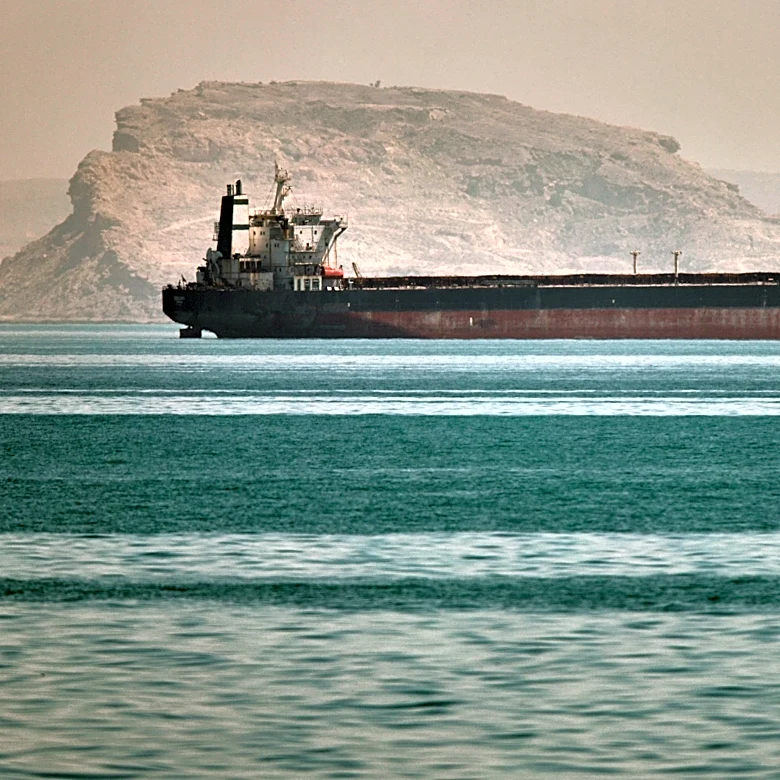
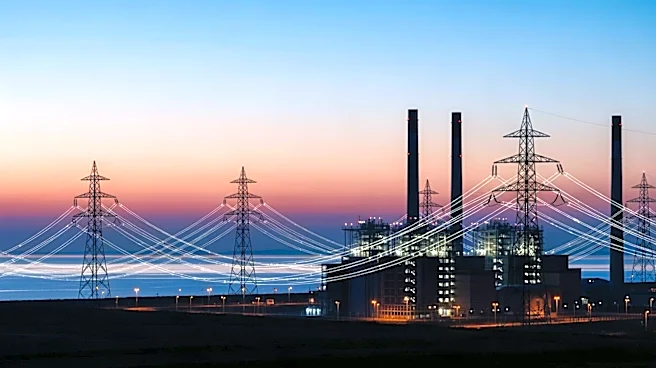
chains. The leaders discussed strategic issues, including the impact of the Strait of Hormuz's closure on the Indo-Pacific region. Australia, a major supplier of liquefied natural gas to Japan, aims to ensure stable energy supplies amid disruptions. The agreement also addresses concerns over China's control of critical minerals, essential for industries like defense and electric vehicles.
Why It's Important?
The enhanced cooperation between Japan and Australia is crucial for maintaining stability in global supply chains, particularly in the energy and critical minerals sectors. As the conflict in the Middle East continues to disrupt trade routes and energy supplies, such partnerships are vital for ensuring economic resilience and security. The agreement also reflects a strategic alignment against China's influence in the region, highlighting the geopolitical complexities of resource control and economic dependencies.
What's Next?
Japan and Australia are expected to implement the agreements through joint projects and initiatives aimed at securing energy supplies and diversifying sources of critical minerals. This may involve investments in infrastructure and technology to enhance supply chain resilience. The partnership could also lead to further diplomatic engagements with other regional players to address shared security and economic challenges.