





What's Happening?
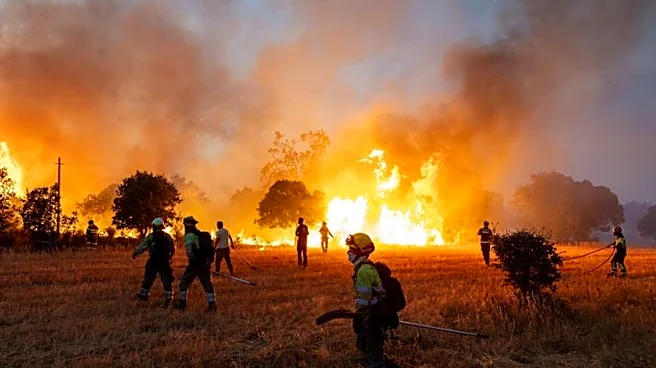
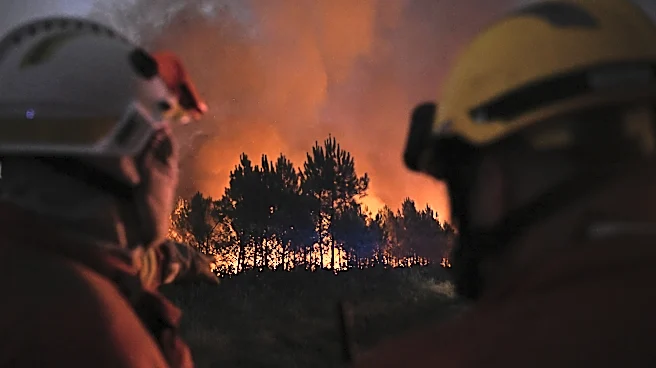
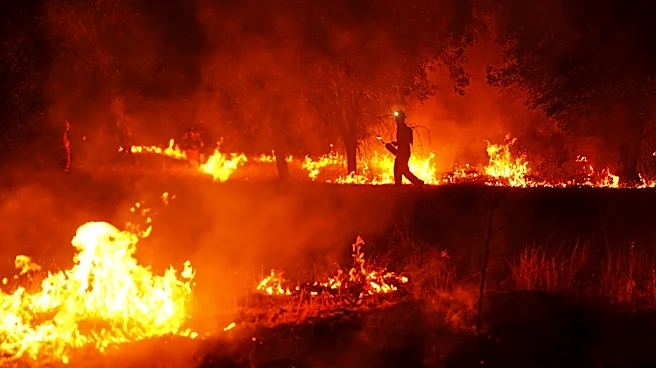
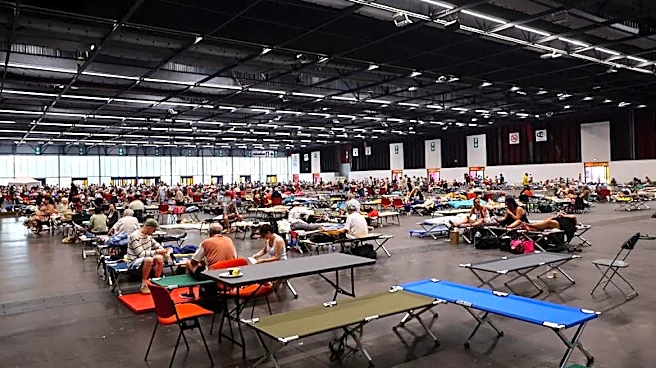
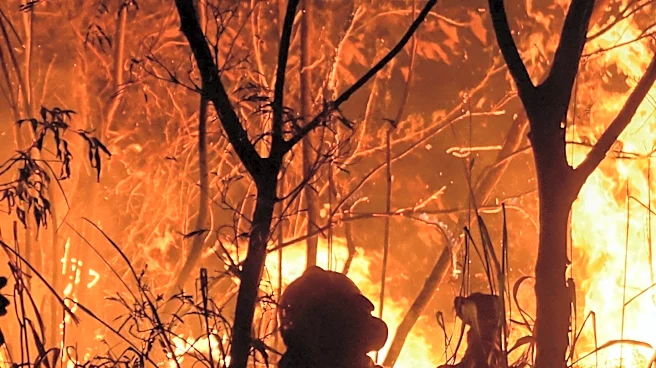
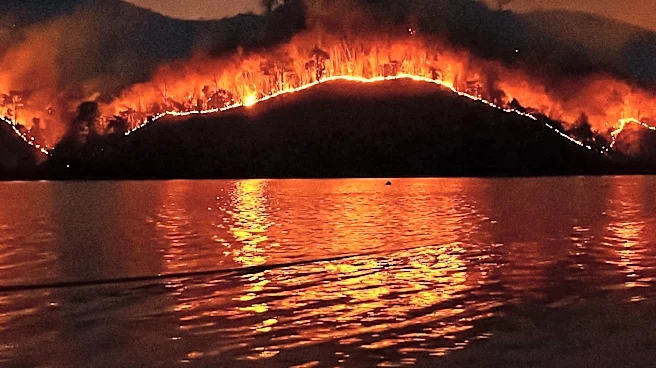
Thousands of Spaniards evacuated due to massive wildfires have been allowed to return home as the fires in Avila province and other areas near Madrid have been stabilized. The central government delegate, Francisco Martin Aguirre, announced that 24,000
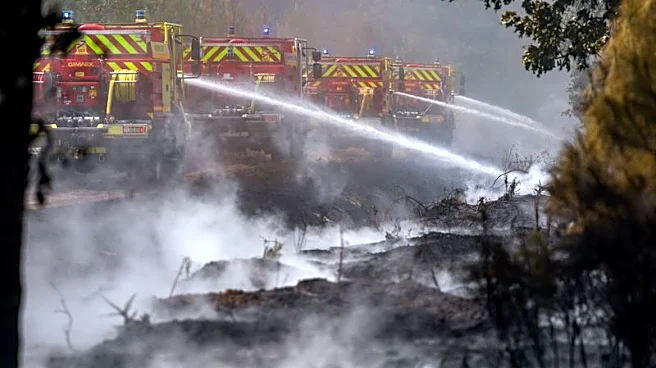
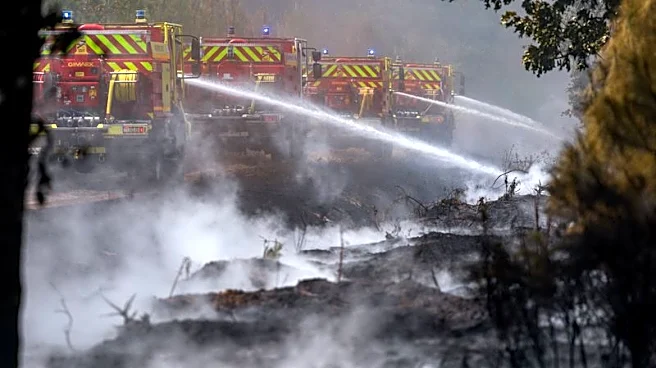
evacuated individuals could return, while another 20,000 were released from confinement. Despite some homes being untouched, others faced devastation. Improved weather conditions overnight aided firefighting efforts, allowing authorities to stabilize the fire perimeter. Prime Minister Pedro Sanchez noted progress in extinguishing a major wildfire near Madrid. Meanwhile, France is bracing for worsening conditions as a new heatwave arrives, threatening to reignite fires in the Gironde region.
Why It's Important?
The stabilization of wildfires in Spain marks a significant relief for thousands of residents who faced displacement and potential loss of property. The fires have burned vast areas, highlighting the severe impact of climate change-induced heatwaves and droughts across Europe. The situation underscores the need for robust firefighting strategies and international cooperation, as evidenced by Turkey's assistance to Spain and France. The ongoing heatwave in France poses a continued threat, emphasizing the urgency for adaptive measures to mitigate future risks. The events serve as a stark reminder of the environmental challenges facing Europe and the global community.
What's Next?
Authorities in Spain aim to fully extinguish the remaining fires, while France prepares for potential flare-ups due to extreme temperatures and strong winds. The European Union has warned of fire-prone conditions spreading towards central Europe, necessitating heightened alertness and preparedness. Continued monitoring and response efforts will be crucial in preventing further damage and ensuring public safety. The situation may prompt discussions on enhancing climate resilience and firefighting capabilities across the continent.