







What's Happening?
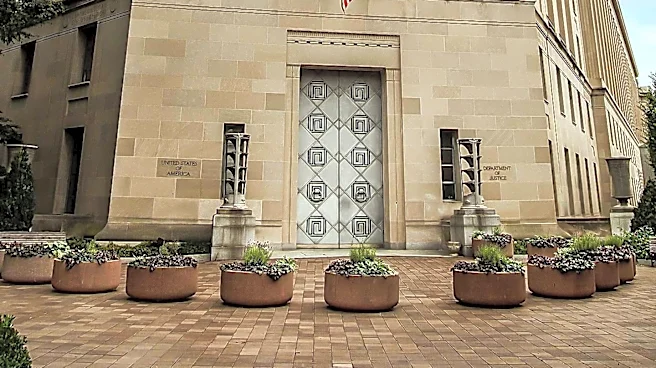
Iowa Attorney General Brenna Bird has publicly defended the decision by Secretary of State Paul Pate to share the state's voter registration data, including partial Social Security numbers, with the federal Department of Justice (DOJ). Bird stated that
her office's role in this decision was to help prevent what she termed 'illegal voting,' emphasizing that it is a serious crime for non-citizens to vote under Iowa law. Pate confirmed that he consulted with Bird's office and his own legal counsel before providing the data. This action has drawn criticism from Ryan Peterman, Pate's Democratic opponent, who argues that the Secretary of State has an obligation to protect Iowans' data and noted that many other states have refused similar DOJ requests, with several related court cases being dismissed.
Why It's Important?
This issue highlights a significant debate regarding voter integrity versus data privacy and the balance between state and federal authority in election matters. Attorney General Bird's defense underscores the state's commitment to preventing voter fraud, which is a key concern for many voters and political factions. However, the sharing of sensitive voter data, including partial Social Security numbers, raises substantial privacy concerns and could erode public trust if not handled with extreme care. The differing opinions between Bird and Peterman reflect a broader national discussion on election security measures and the potential for such actions to either safeguard or undermine democratic processes, depending on one's perspective.
What's Next?
The controversy surrounding the sharing of voter data is likely to remain a prominent issue, especially as the November election approaches. Ryan Peterman, as the Democratic opponent, will likely continue to challenge Secretary of State Pate on this decision, making it a central point in their campaign. Voters will ultimately decide between Pate and Peterman, and their stance on voter data sharing could significantly influence the outcome. Furthermore, the ongoing legal challenges in other states regarding similar DOJ requests could set precedents that might impact Iowa's future actions or lead to further legal scrutiny of the state's decision. The debate will continue to shape public discourse on election integrity and data protection.
Beyond the Headlines
The sharing of voter data with federal agencies delves into complex legal and ethical dimensions concerning individual privacy rights versus the state's interest in maintaining election integrity. The use of partial Social Security numbers, even for verification purposes, raises questions about the scope of data that should be shared and the potential for misuse or breaches. This situation also reflects a broader political polarization around election administration, where actions taken to ensure security are often viewed through partisan lenses. The differing outcomes in other states regarding similar DOJ requests suggest a lack of clear national consensus or legal precedent, leaving states like Iowa to navigate these contentious issues with significant implications for their citizens' trust in the electoral system.