









What's Happening?
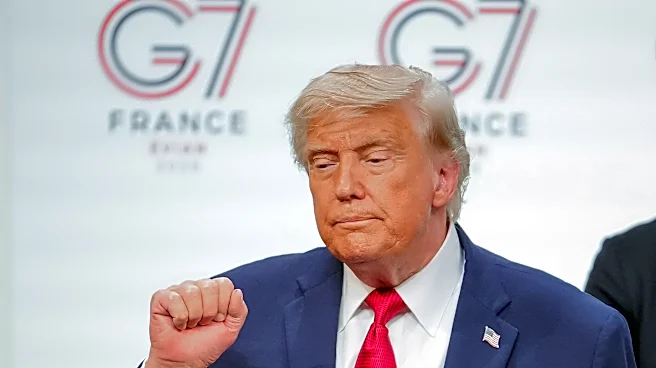
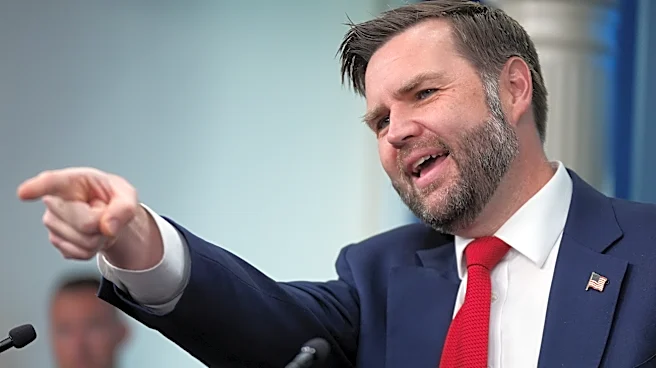
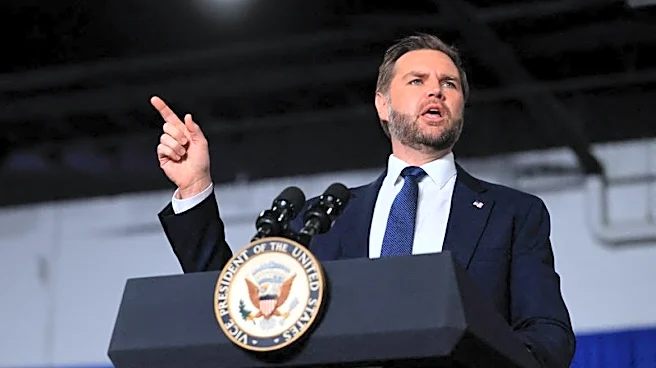
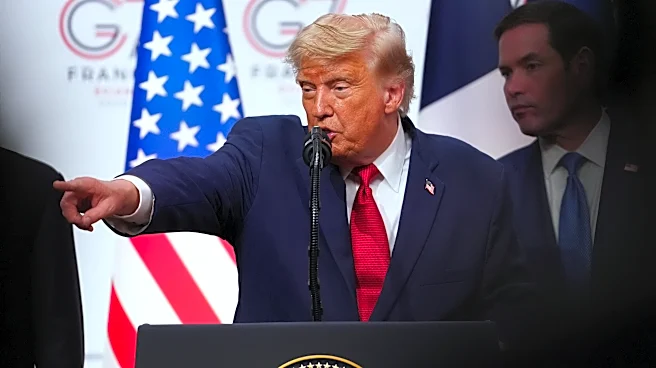
U.S. Vice President JD Vance has publicly criticized Israeli cabinet ministers for their opposition to the U.S.-Iran agreement, highlighting the potential risks of undermining U.S. support. Vance emphasized that President Trump is currently the only global
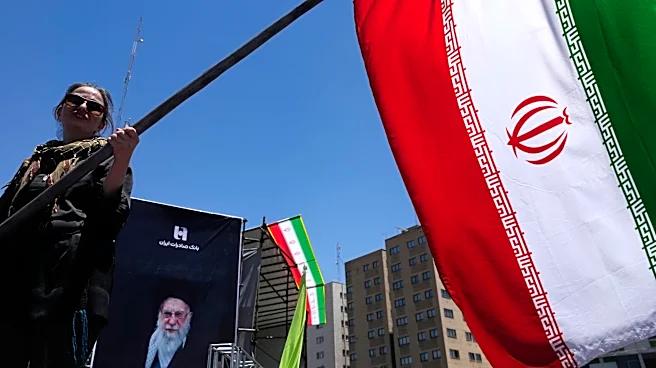
leader sympathetic to Israel, warning Israeli officials against attacking their most powerful ally. The criticism comes amid tensions between Israeli Prime Minister Benjamin Netanyahu and President Trump over the Iran deal, which Netanyahu believes inadequately addresses Iran's nuclear ambitions. Despite widespread opposition within Israel to the agreement, Netanyahu has refrained from openly criticizing it, possibly to maintain diplomatic relations with the U.S. and to prepare for potential future actions against Iran.
Why It's Important?
The criticism from Vice President Vance underscores the delicate balance Israel must maintain in its relationship with the United States, which provides significant military assistance. The U.S. supplies approximately $4 billion annually in military aid to Israel, a critical component of Israel's defense strategy. Vance's remarks suggest that continued Israeli opposition to U.S. foreign policy could jeopardize this support. The situation highlights the broader geopolitical implications of the U.S.-Iran agreement and the strategic calculations Israel must make in its regional security policies, particularly concerning its military operations in Lebanon and its stance on Iran's nuclear program.
What's Next?
Israel's response to Vance's criticism will likely focus on maintaining its strategic interests while avoiding further strain on U.S.-Israel relations. Netanyahu's government may continue to prepare for unilateral actions against Iran if necessary, while also seeking to preserve the security zone in southern Lebanon. The Israeli leadership will need to navigate these challenges carefully to ensure continued U.S. support and to address domestic security concerns. The evolving dynamics of U.S.-Israel relations and the regional security landscape will be closely watched by international observers.