


What's Happening?
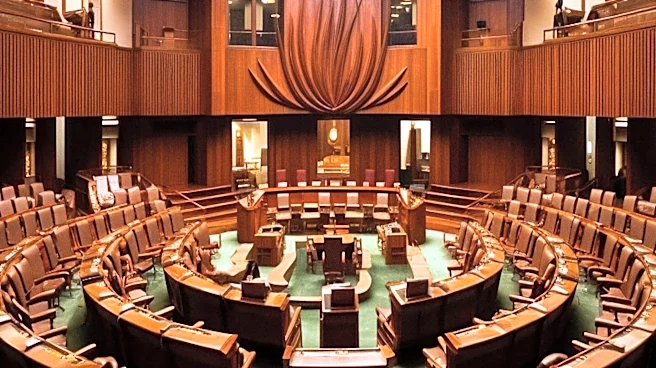
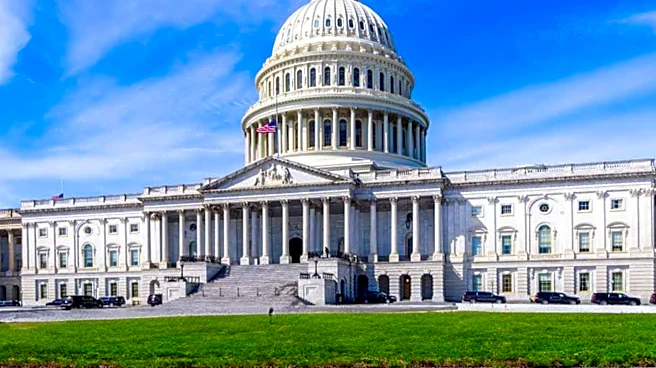
In a rare display of bipartisanship, Congress is working on the Fix Our Forests Act, a bill aimed at improving forest management to prevent wildfires. Led by Utah Senator John Curtis, the legislation seeks to streamline environmental reviews and enhance
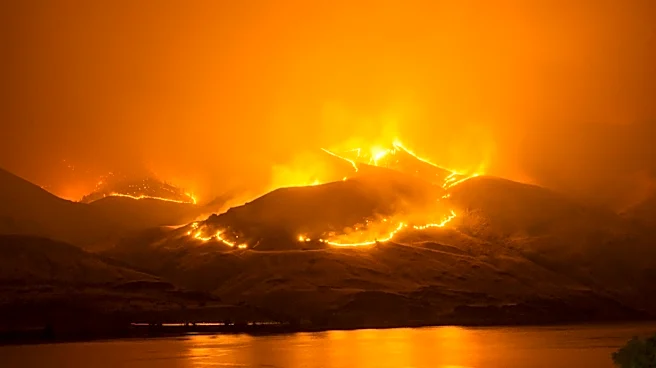
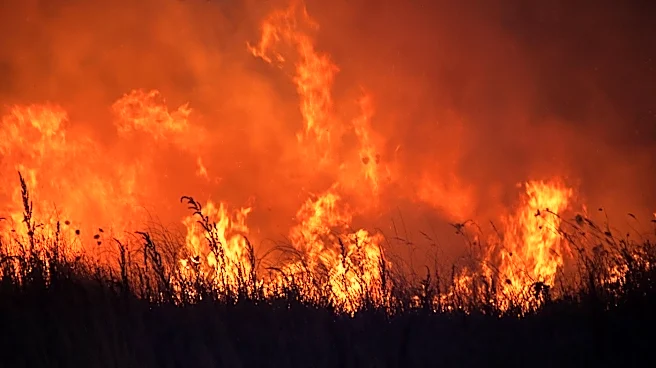
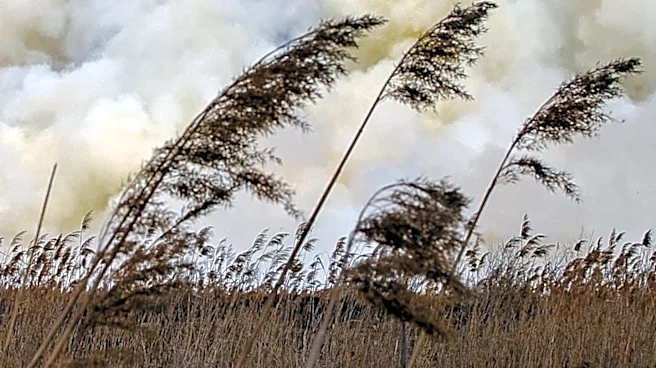
cooperation between local and federal agencies. The bill has advanced through the Senate Agriculture Committee and is awaiting a final vote. With wildfires causing significant damage across the Western United States, lawmakers are prioritizing this legislation to mitigate the effects of natural disasters. A bipartisan roundtable was held to discuss the bill and other related legislation, highlighting the urgency of addressing wildfire prevention.
Why It's Important?
The Fix Our Forests Act represents a critical step in addressing the increasing threat of wildfires, which have devastating impacts on communities, ecosystems, and the economy. By improving forest management practices, the bill aims to reduce the frequency and severity of wildfires, ultimately saving lives and protecting property. The bipartisan support for the legislation underscores the universal recognition of the need for effective wildfire prevention strategies. Successful passage of the bill could set a precedent for future collaborative efforts in Congress to tackle pressing environmental issues, demonstrating that bipartisan solutions are possible even in a polarized political climate.
What's Next?
The Senate is expected to reconvene in September after its August recess, during which time the Fix Our Forests Act will be considered for a vote. If passed, the bill will require implementation of its provisions, necessitating coordination between federal and local agencies. Lawmakers will continue to address any remaining technical concerns to ensure the bill's effectiveness. The outcome of this legislation could influence future policy decisions related to natural disaster management and environmental protection, potentially leading to further bipartisan initiatives aimed at safeguarding communities from the impacts of climate change.