





What's Happening?
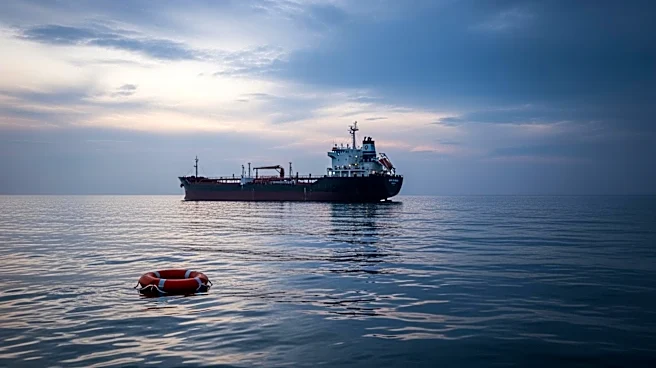
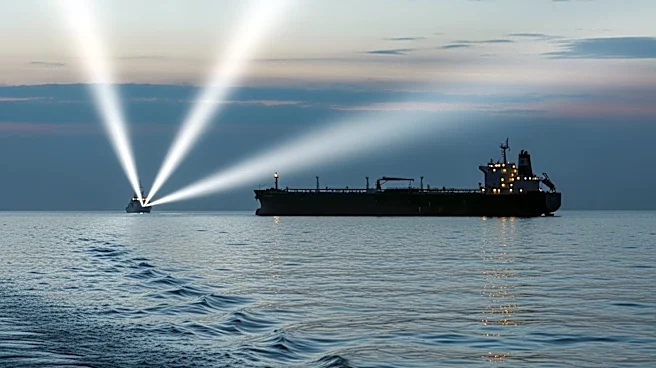
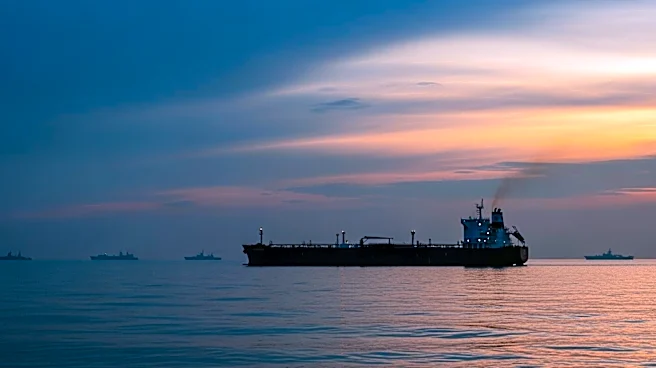
The U.S. military conducted a precision strike on the Palau-flagged oil products tanker Settebello in the Gulf of Oman. This action was taken after the vessel, which was carrying oil from Iran, failed to comply with U.S. instructions. The strike, part
of a broader blockade initiated by the U.S. on April 13 against Iran-related shipping, resulted in three Indian seafarers going missing. The U.S. Central Command (Centcom) reported that precision munitions were fired into the ship's engine room. The Indian government has lodged a strong protest with the U.S., condemning the attack and is actively involved in search and rescue operations. The incident has raised concerns about the safety of commercial shipping in the region.
Why It's Important?
This incident underscores the escalating tensions in the Gulf of Oman, a critical global oil and gas route. The U.S. blockade aims to curb Iran's shipping activities, but it also risks international diplomatic relations, particularly with India, whose nationals were affected. The situation highlights the potential for increased geopolitical friction and the impact on global oil markets. The targeting of commercial vessels raises questions about maritime security and the safety of international shipping lanes, which are vital for global trade. The incident could lead to heightened scrutiny of U.S. military actions in international waters and their implications for international law and diplomacy.
What's Next?
The immediate focus will be on the search and rescue operations for the missing seafarers. Diplomatic discussions between India and the U.S. are likely to intensify, with India seeking assurances for the safety of its nationals. The U.S. may face international pressure to justify its military actions and ensure compliance with international maritime laws. The incident could prompt other nations to reassess their maritime security strategies in the region. Additionally, there may be calls for increased international oversight of military operations in international waters to prevent similar incidents in the future.