





What's Happening?
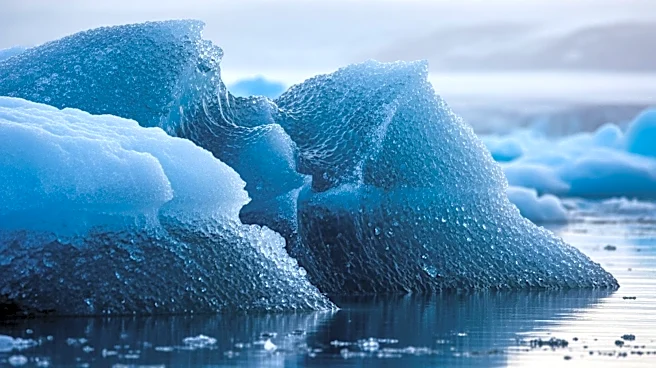
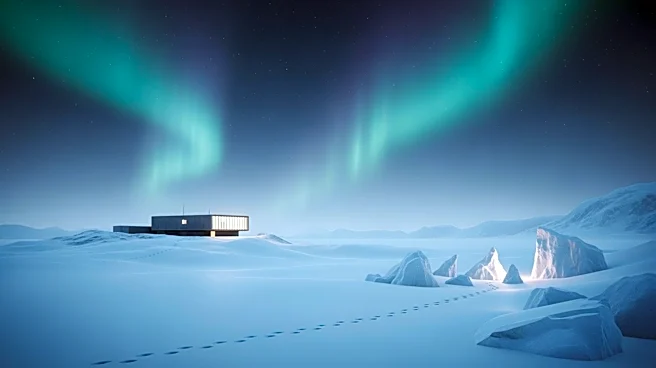
Tourism in Antarctica is experiencing a significant increase, driven by fears of climate change and the desire to witness the continent's unique landscapes. However, this surge in visitors is raising concerns about potential contamination and disease
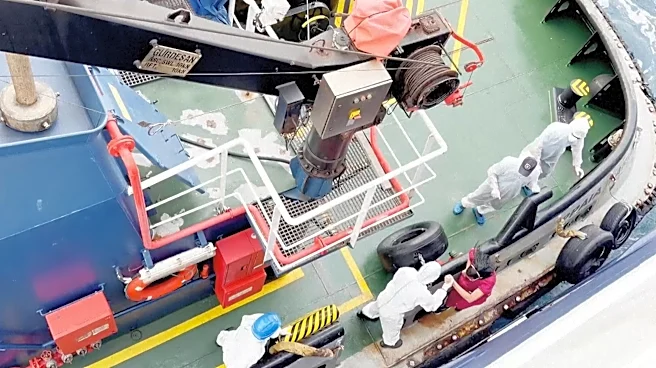
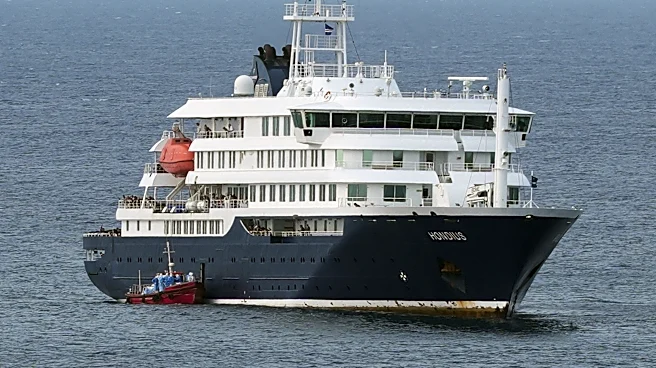
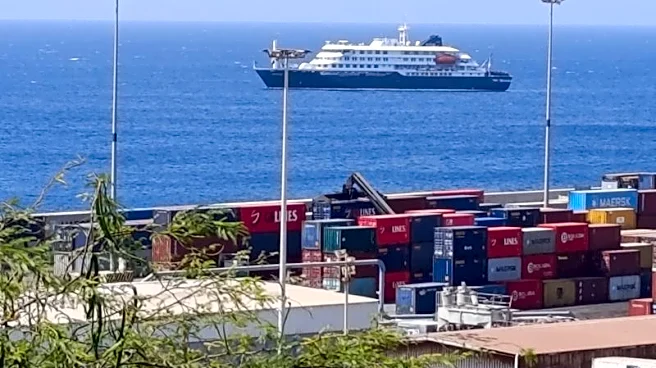
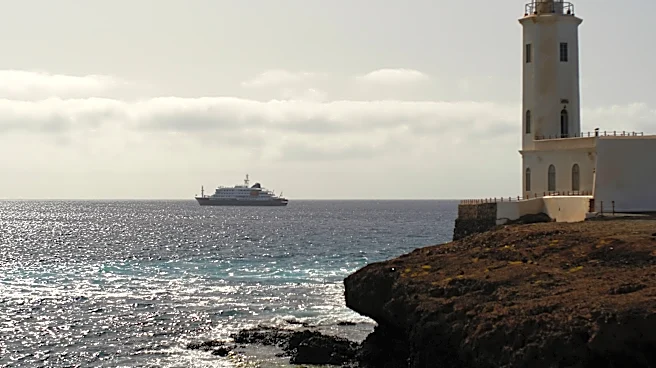
risks. A recent hantavirus outbreak on a Dutch cruise ship has highlighted these dangers. The Antarctic Peninsula, a rapidly warming region, is a popular destination for tourists. Despite the high costs and logistical challenges, the number of visitors is growing rapidly, prompting scientists and environmentalists to sound alarms about the potential impact on the fragile ecosystem.
Why It's Important?
The rise in Antarctic tourism poses significant environmental and health risks. Increased human activity can lead to contamination and the spread of diseases, threatening the continent's delicate ecosystem. The potential for invasive species and pathogens to disrupt local wildlife is a major concern. Additionally, the tourism boom underscores the broader issue of 'last chance tourism,' where people rush to see threatened environments before they change irreversibly. This trend highlights the need for stricter regulations and sustainable tourism practices to protect Antarctica's unique landscapes and biodiversity.
What's Next?
As tourism continues to grow, there will likely be increased calls for regulatory measures to protect Antarctica's environment. The Antarctic Treaty, which governs the continent, may need to be updated to address the challenges posed by rising visitor numbers. Environmental groups and scientists are expected to advocate for stronger biosecurity measures and stricter guidelines for tourist conduct. The recent hantavirus outbreak may prompt further investigations into health protocols on cruise ships and other tourist operations in the region.