




What's Happening?
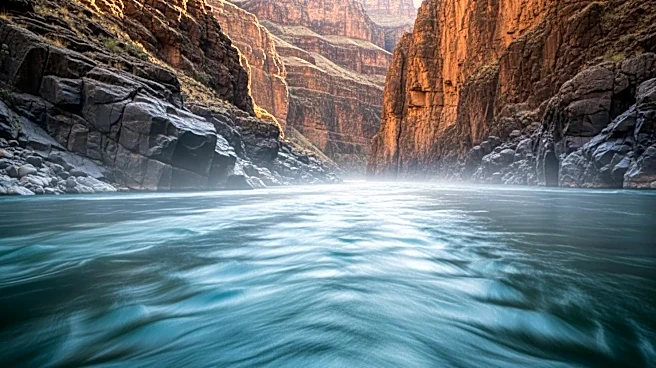
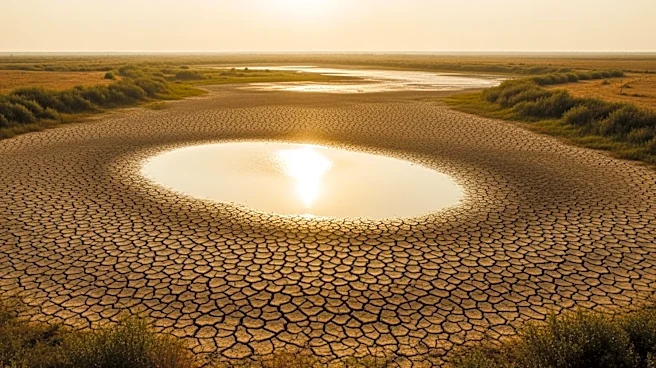
Six major U.S. reservoirs have reached their lowest levels in at least three decades for this time of year, according to federal data. This situation underscores the increasing pressure on water supplies as drought conditions persist across various parts
of the country. The Bureau of Reclamation's reservoir storage dashboard, which monitors water levels at over 50 major sites, has flagged these reservoirs. Notably, Lake Mead and Lake Powell, the two largest reservoirs in the Colorado River Basin, are experiencing significant strain. Lake Mead is at 49.2% of its typical level, while Lake Powell is at 38.5%. The low snowpack season in the West has contributed to this situation, as explained by climatologist Brian Fuchs from the National Drought Mitigation Center. The lack of snowmelt has resulted in reduced water availability, prompting water managers to prepare for potential shortages.
Why It's Important?
The declining water levels in these reservoirs are part of a broader pattern of intensifying drought across the United States. This situation poses significant risks, including water shortages, agricultural strain, and increased energy demand. The Colorado River Basin, which relies heavily on Lake Mead and Lake Powell, supplies water to over 40 million people and supports a vast hydropower network. Sustained declines in water levels could impact both water access and energy production, leading to higher costs and potential disruptions. The economic implications are substantial, as extreme drought events have historically resulted in billions of dollars in losses due to crop failures and strained water supplies.
What's Next?
If dry conditions persist, federal projections warn that Lake Mead and Lake Powell could approach or fall below their historical minimum levels. This would exacerbate the challenges faced by regions dependent on these water sources. Water conservation and smart usage will be crucial in mitigating the impact, but some areas may still experience reduced water deliveries. The situation calls for coordinated efforts to manage water resources effectively and explore alternative solutions to address the ongoing drought.