








What's Happening?
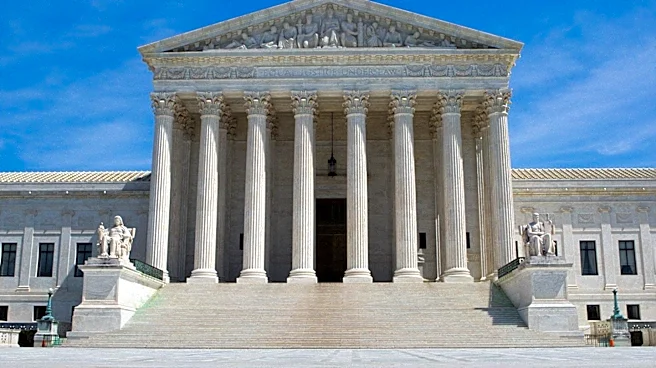
Luigi Mangione, accused of murdering UnitedHealthcare CEO Brian Thompson, may benefit from a legal loophole known as jury nullification. This rarely-used legal concept allows a jury to acquit a defendant if they believe the law is unjust, regardless of the evidence.
The December 4 Legal Committee, supporting Mangione, is advocating for this approach, raising over $1.5 million for his defense. Mangione's case has sparked debate over the U.S. healthcare system, with his supporters arguing that his actions were politically motivated. The case is complicated by the challenge of finding impartial jurors in politically charged New York City.
Why It's Important?
The potential use of jury nullification in Mangione's case highlights tensions between legal procedures and public sentiment. If successful, it could set a precedent for future cases where juries are influenced by broader social issues. This case also underscores the challenges of maintaining impartiality in high-profile trials, especially in politically polarized environments. The outcome could impact public trust in the legal system and influence discussions on legal reforms and the role of jury discretion.
What's Next?
As the trial progresses, the focus will be on jury selection and the potential influence of public opinion on the verdict. Legal experts and civil rights advocates may weigh in on the implications of jury nullification, potentially prompting legislative reviews. The case could also lead to increased advocacy for or against the use of jury nullification in politically sensitive cases. The trial's outcome will be closely watched by legal professionals and the public, given its potential to influence future legal proceedings.