



What's Happening?
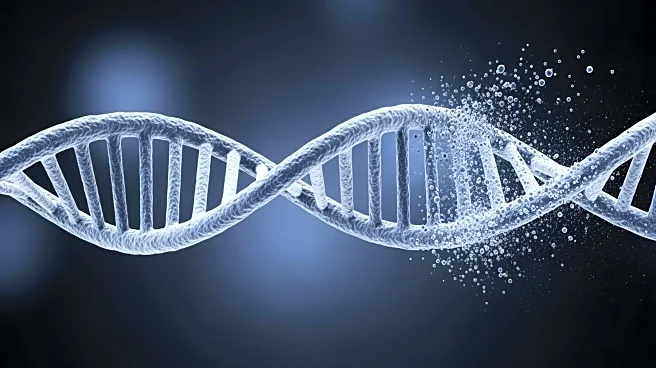
Recent research has highlighted a significant health concern for aging men: the loss of the Y chromosome in some of their cells. Previously thought to be inconsequential due to its limited number of genes, the Y chromosome's loss is now associated with
various serious health issues. Studies indicate that this chromosomal loss is common among older men, with about 40% of men in their 60s and 57% by age 90 experiencing some degree of Y chromosome loss. This condition, known as mosaicism, results in a mix of cells with and without the Y chromosome. The loss is more prevalent in tissues where cells divide rapidly, and environmental factors like smoking can exacerbate the condition. The Y chromosome's loss has been linked to increased risks of cardiovascular diseases, neurodegenerative disorders, and certain cancers, including eye melanoma. It also correlates with poorer outcomes in diseases like COVID-19 and Alzheimer's.
Why It's Important?
The implications of Y chromosome loss are profound, as it challenges previous assumptions about the chromosome's role in male health. The loss is not merely a genetic anomaly but a potential contributor to life-threatening conditions. This discovery could reshape how medical professionals approach the health of aging men, emphasizing the need for monitoring chromosomal health as part of routine medical assessments. The findings suggest that the Y chromosome plays a broader role in regulating gene expression and maintaining cellular health than previously understood. This could lead to new diagnostic tools and treatments targeting the prevention of Y chromosome loss or mitigating its effects. The research underscores the importance of genetic factors in age-related diseases and could influence public health strategies aimed at reducing environmental risks that contribute to chromosomal loss.
What's Next?
Future research is expected to delve deeper into the mechanisms by which Y chromosome loss affects health and to explore potential interventions. Scientists are likely to investigate how genetic predispositions contribute to this loss and its associated health risks. There is also a need to develop strategies to prevent or reverse the effects of Y chromosome loss, potentially through lifestyle changes or medical treatments. As the Y chromosome has only recently been fully sequenced, ongoing studies will likely uncover more about its functions and the consequences of its loss. This could lead to breakthroughs in understanding male-specific health issues and developing gender-specific medical treatments.
Beyond the Headlines
The broader implications of this research extend to ethical and social considerations regarding genetic testing and privacy. As genetic testing becomes more prevalent, individuals may face decisions about whether to test for Y chromosome loss and how to interpret the results. There are also potential implications for insurance and employment, as genetic information could influence coverage and hiring decisions. Additionally, the research highlights the need for increased awareness and education about genetic health, particularly in aging populations. Understanding the role of the Y chromosome in health could also contribute to discussions about gender differences in medical research and treatment.