
What's Happening?
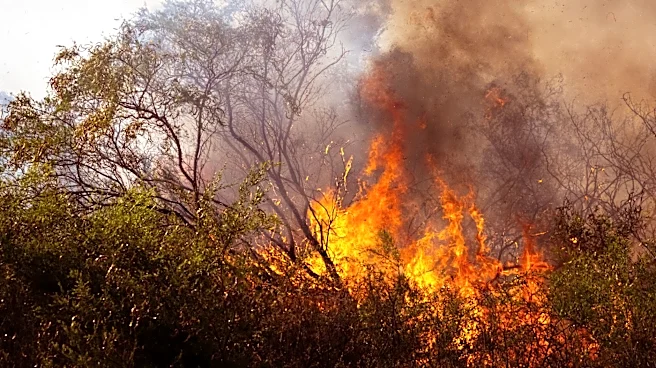
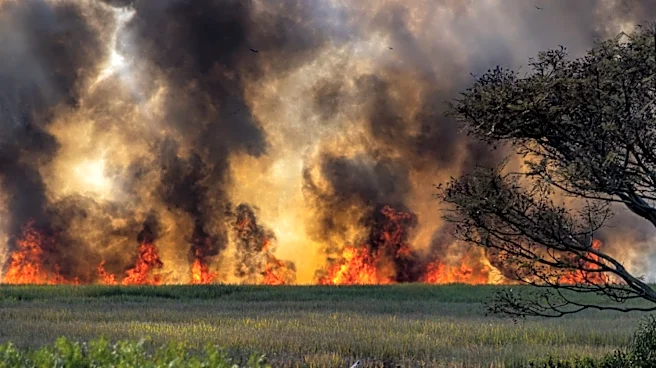
Summer camps across the United States are facing significant challenges due to extreme weather conditions exacerbated by climate change. According to NPR, camps are adapting to hazardous air quality from
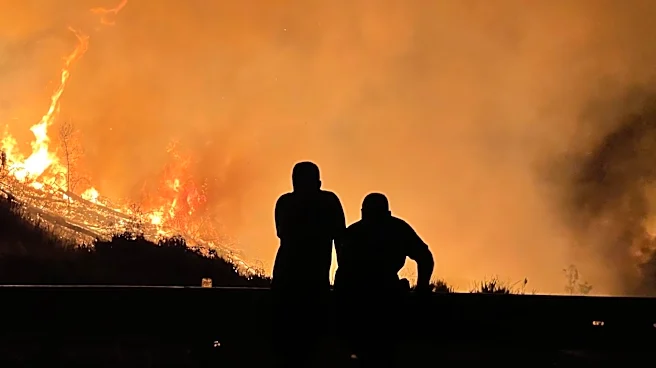
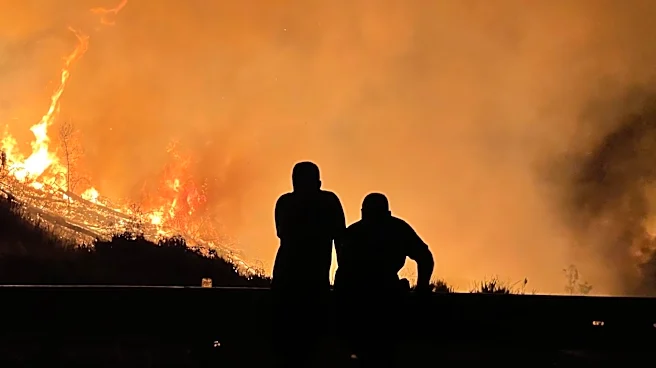
wildfire smoke, extreme heat, and heavy rains. For instance, Beauvoir Summer Camp in Washington, D.C., had to limit outdoor activities due to poor air quality and high temperatures. Similarly, Camp Widjiwagan in Minnesota had to evacuate due to nearby wildfires, even submerging canoes to protect them from fire damage. These conditions are forcing camps to modify their programs, often moving activities indoors or canceling them altogether. The American Camp Association notes that while camps have always dealt with weather, the frequency and intensity of these events are increasing, impacting the traditional summer camp experience.
Why It's Important?
The increasing frequency of extreme weather events poses a significant challenge to summer camps, which are a staple of childhood experiences in the U.S. These camps provide essential skills such as independence and teamwork, which are crucial for child development. The disruptions caused by climate change not only affect the operations of these camps but also the social and emotional well-being of children who attend them. As camps adapt to these new realities, they highlight the broader societal impacts of climate change, emphasizing the need for urgent action to mitigate its effects. The situation also underscores the importance of developing robust safety plans and adaptive strategies to ensure the safety and continuity of camp programs.
What's Next?
As climate change continues to influence weather patterns, summer camps will need to further adapt their operations. This may involve investing in infrastructure that can withstand extreme weather, developing more comprehensive safety protocols, and possibly rethinking the traditional outdoor-focused camp model. Additionally, there may be increased advocacy for climate action from organizations involved in youth development, as they witness firsthand the impacts on their programs. The ongoing situation could also lead to more research and innovation in creating sustainable and resilient camp environments.