




What's Happening?
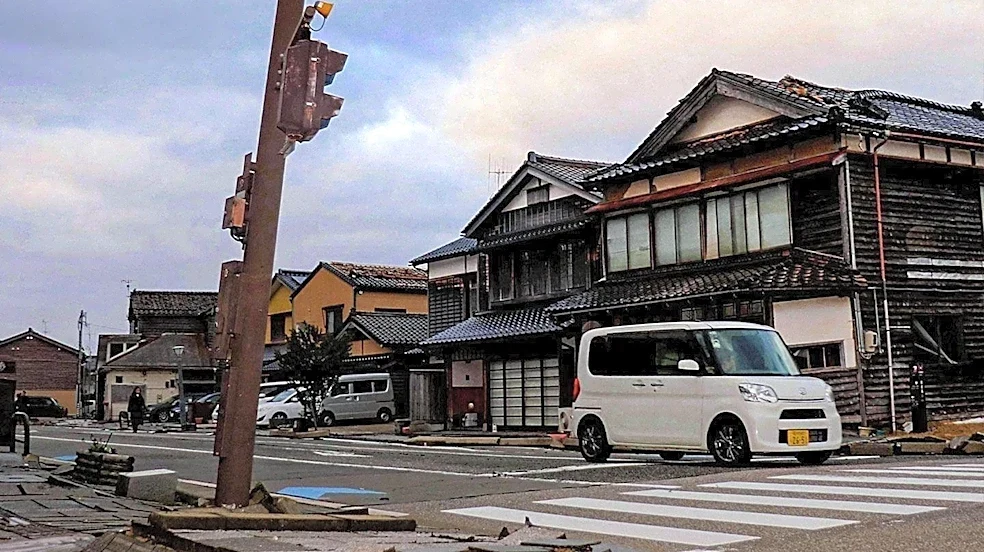
On October 17, the Japan Meteorological Agency (JMA) mistakenly issued an emergency alert warning of an impending 9.9 magnitude earthquake. The alert, sent at 12:40 p.m. Japan time, caused alarms to sound and phones to light up, instructing people to seek
shelter. Eight minutes later, at 12:48 p.m., JMA rescinded the warning, attributing the false alarm to a system error. The actual earthquake that occurred was a much smaller 6.9 magnitude event in the Kamchatka Peninsula in eastern Russia, which caused only mild tremors in parts of Japan. A 9.9 magnitude earthquake has no historical precedent. Witnesses, including Hawaii delegates attending a U.S.-Japan Council conference, described the experience as reminiscent of the false missile alert in Hawaii in 2018. JMA has since apologized for the error, and an investigation into the cause, including a safety feature not working properly, is underway.
Why It's Important?
This incident highlights critical vulnerabilities in emergency alert systems and their potential to cause widespread panic and confusion, even when the threat is not real. For U.S. citizens, particularly those traveling or residing abroad, such false alarms underscore the importance of understanding local emergency protocols and the potential for system failures. The comparison to Hawaii's 2018 false missile alert suggests a recurring issue with human error or technical glitches in critical warning infrastructure, which can erode public trust in these systems. While this specific event occurred in Japan, the global interconnectedness of travel and communication means that U.S. citizens can be directly affected. The incident also raises questions about the reliability of international warning systems and the need for robust, fail-safe mechanisms to prevent similar occurrences that could lead to unnecessary fear or, conversely, complacency when a real threat emerges.
What's Next?
The Japan Meteorological Agency is currently investigating the system error that led to the false 9.9 magnitude earthquake alert. This investigation is expected to identify the specific cause of the malfunction, including why a safety feature reportedly failed to operate correctly. Following the investigation, JMA will likely implement corrective measures to prevent similar incidents in the future, which could involve software updates, procedural changes, or enhanced training for personnel. There may also be discussions among international meteorological and disaster preparedness agencies about improving the accuracy and reliability of cross-border early warning systems. For U.S. citizens and officials, this event may prompt a review of how U.S. citizens abroad receive and interpret foreign emergency alerts, and potentially lead to recommendations for better communication strategies during such events.
Beyond the Headlines
The false earthquake alert in Japan, echoing Hawaii's false missile alert, points to a deeper societal challenge in the age of instant communication: the balance between rapid dissemination of critical information and the risk of misinformation or false alarms. These incidents can have significant psychological impacts, fostering anxiety and potentially leading to a 'cry wolf' effect where the public becomes desensitized to future warnings. Ethically, it raises questions about the responsibility of government agencies to ensure the absolute accuracy of emergency alerts, given their potential to disrupt daily life and cause distress. Culturally, the calm reaction of Japanese passengers observed by Hawaii delegates suggests a societal preparedness for earthquakes, contrasting with the potential panic among those less accustomed to such events. This highlights the importance of public education and cultural context in disaster response, even when alerts are erroneous.