








What's Happening?
The Tampa Bay area is experiencing a surge in dengue fever cases, with state health officials reporting an additional 32 locally acquired cases in the week ending August 29, bringing the total autochthonous cases in Florida to 73. The new cases were primarily
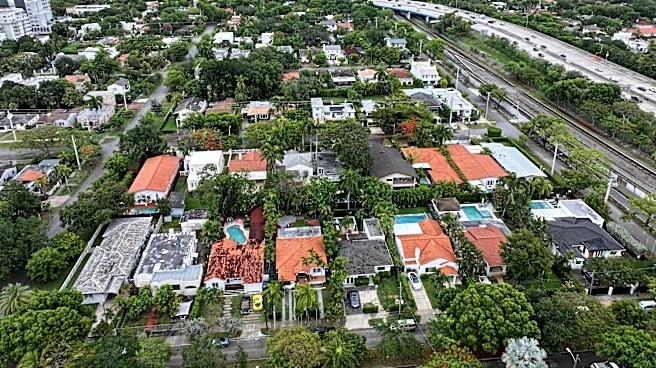
reported in Hillsborough County (29), with Pinellas (2) and Pasco counties (1) also contributing. Hillsborough County now accounts for 59 cases, with Pinellas having 5. In response, Pinellas County Mosquito Control is expanding its efforts, focusing on ground inspections and dawn fogging in the Palm Harbor and St. Petersburg areas. They are also urging residents countywide to take precautions to prevent mosquito breeding. Hillsborough County Mosquito Management Services conducted aerial applications of Dibrom insecticide, and Pasco County Mosquito Control District is providing specialized aerial assistance, including liquid Bti applications targeting mosquito larvae in specific Tampa neighborhoods.
Why It's Important?
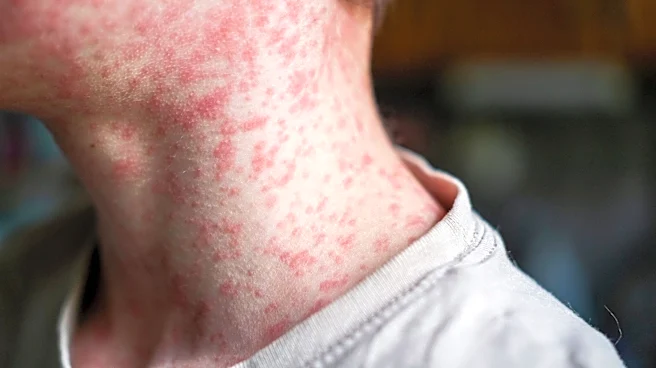
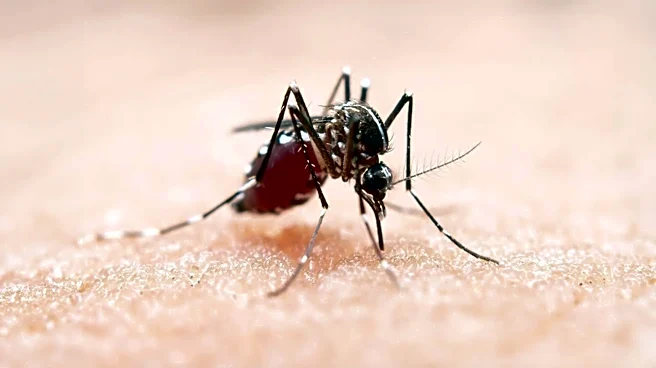
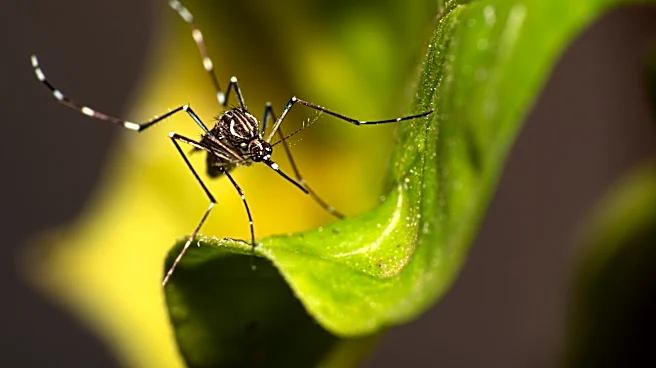
The escalating number of locally acquired dengue cases in the Tampa Bay area poses a significant public health challenge. Dengue fever, a mosquito-borne illness, can cause severe symptoms and, in some cases, be fatal. The local transmission indicates that the Aedes aegypti mosquito, which carries the virus, is present and actively spreading the disease within the community. This surge places a strain on local healthcare systems and requires a coordinated, multi-county response to control mosquito populations and prevent further spread. The expanded mosquito control efforts, including ground inspections, fogging, and aerial insecticide applications, are crucial for mitigating the outbreak. Public awareness and individual preventative measures, such as eliminating standing water where mosquitoes breed, are also vital. The situation highlights the ongoing threat of vector-borne diseases in the U.S., particularly in warmer climates, and the importance of robust public health infrastructure and rapid response capabilities.
What's Next?
Pinellas County Mosquito Control will continue its expanded response, focusing on ground inspections and dawn fogging in affected areas like Palm Harbor and St. Petersburg, while urging countywide resident participation in prevention. Hillsborough and Pasco counties will likely continue their aerial and ground-based mosquito control operations, including the use of insecticides like Dibrom and Bti, as weather permits. State health officials will closely monitor the situation, tracking new cases and providing updates on the spread of the virus. Public health campaigns will likely intensify, educating residents on how to protect themselves from mosquito bites and eliminate breeding sites around their homes. The effectiveness of these control measures will determine whether the surge in dengue cases can be contained or if further escalation will occur, potentially leading to more widespread public health advisories and interventions across the Tampa Bay region.
Beyond the Headlines
The dengue outbreak in the Tampa Bay area underscores the broader implications of climate change and globalization on public health in the U.S. Warmer temperatures and increased rainfall can create ideal breeding conditions for mosquitoes, extending their habitats and breeding seasons. International travel also facilitates the introduction of new serotypes of the dengue virus, making local transmission more likely. This situation highlights the interconnectedness of environmental factors, human mobility, and disease spread. It also raises questions about the long-term sustainability of current mosquito control strategies and the potential need for more innovative, integrated vector management approaches. The economic impact could extend beyond healthcare costs, affecting tourism and local businesses if the outbreak persists. Ultimately, this event serves as a stark reminder that public health is a dynamic and complex challenge, requiring continuous adaptation, scientific research, and community collaboration to protect populations from emerging and re-emerging infectious diseases.