




What's Happening?
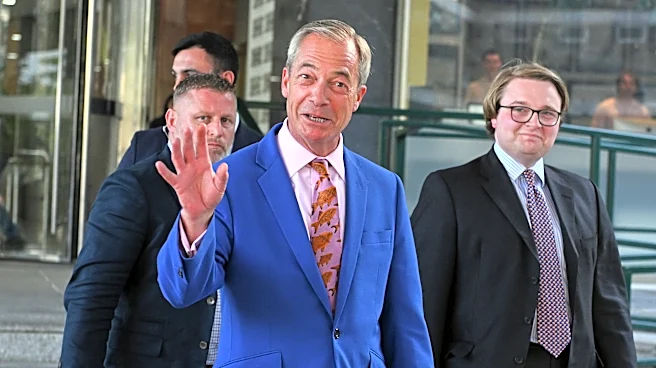
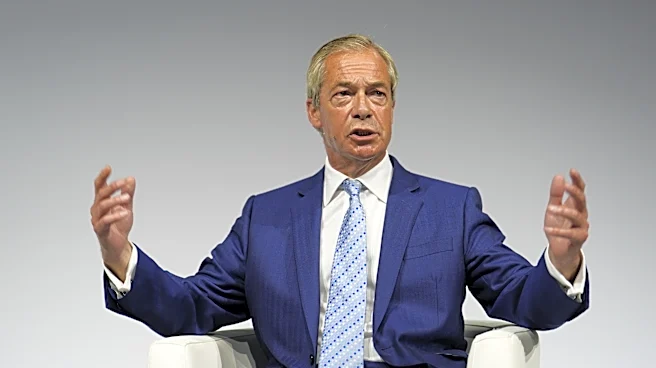
Reform UK, led by Nigel Farage, has been employing media tactics to manage controversial stories, particularly those involving financial scrutiny. The party has been accused of using 'spoilers' by providing stories to sympathetic media outlets like the Telegraph
to preempt negative coverage. This strategy was evident when the Telegraph published a story about alleged leaks from the National Crime Agency concerning Farage and Richard Tice, Reform's deputy leader. This approach is part of a broader media strategy that includes personal attacks on journalists and attempts to sideline traditional media through new platforms like Substack and podcasts.
Why It's Important?
Reform UK's media strategy highlights the evolving relationship between political parties and the media. By using sympathetic outlets to manage narratives, the party aims to control public perception and mitigate negative press. This tactic reflects broader trends in political communication, where parties increasingly rely on direct channels to reach their audience, bypassing traditional media. The implications of this strategy could affect media credibility and the public's access to unbiased information, raising questions about transparency and accountability in political discourse.
Beyond the Headlines
The use of media 'spoilers' by Reform UK raises ethical questions about the role of media in political processes. As parties seek to control narratives, the independence and objectivity of journalism are challenged. This situation underscores the need for robust media ethics and the importance of diverse media voices in ensuring a well-informed public. The long-term impact of such strategies could lead to increased polarization and a fragmented media landscape, where audiences are exposed to selective information that aligns with their existing beliefs.