


What's Happening?
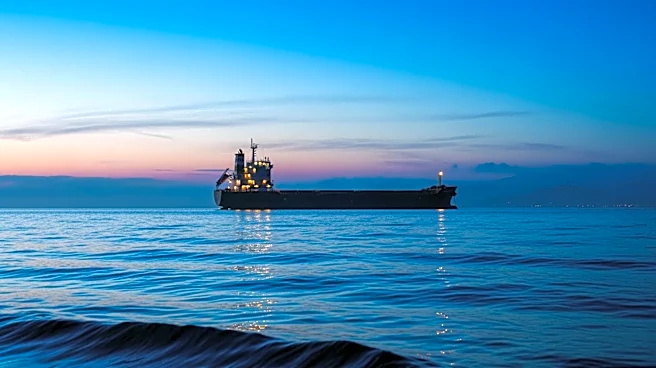
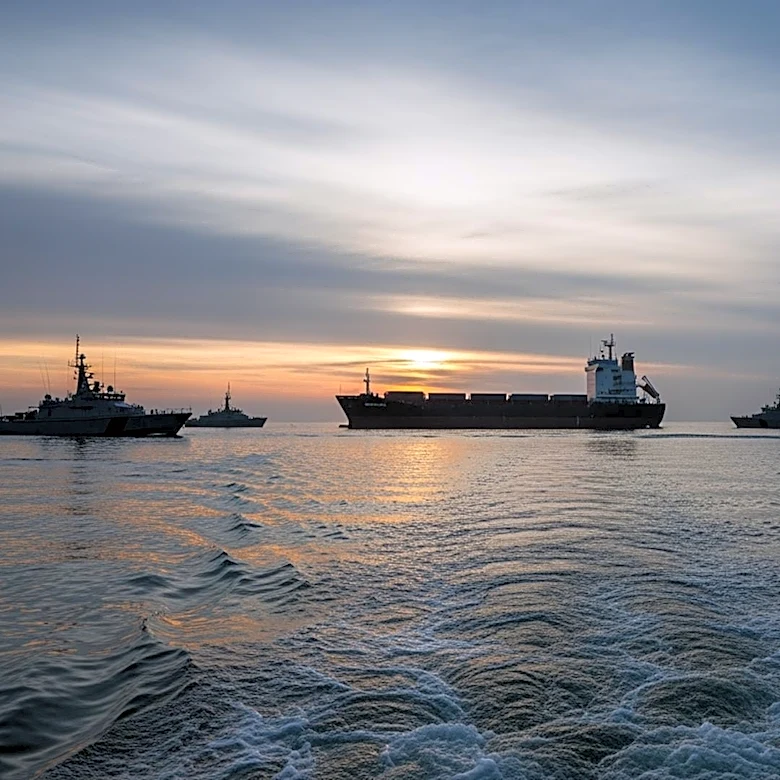
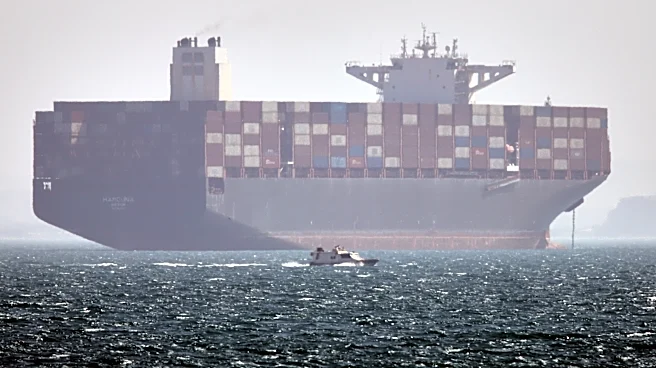
On May 29, U.S. forces disabled a small cargo ship, the Liam Star, in the Gulf of Oman. The vessel, registered in Gambia and owned by a UAE entity, was reportedly heading towards an Iranian port and ignored over 20 warnings from U.S. forces. A U.S. aircraft
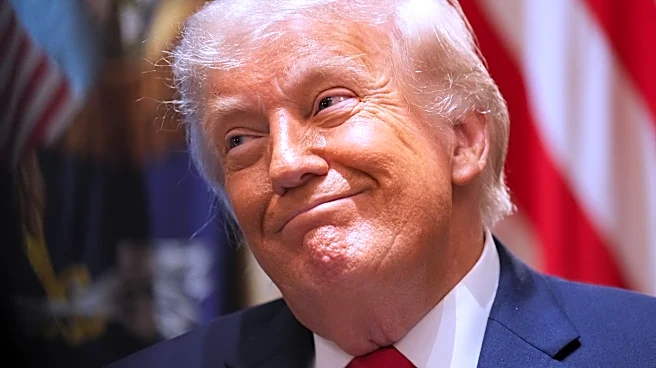
fired a Hellfire missile into the ship's engine room, rendering it adrift. This action is part of a broader U.S. blockade initiated on April 17 to increase economic pressure on Iran. The blockade has led to the interception of six ships attempting to breach it. President Trump announced on social media that the blockade would be lifted, allowing ships in the Persian Gulf to return home. However, he also outlined demands for Iran, including the destruction of nuclear capabilities and the removal of mines from the Strait of Hormuz.
Why It's Important?
The disabling of the Liam Star underscores the U.S.'s commitment to enforcing its blockade against Iran, a move aimed at exerting economic pressure. This action highlights the ongoing tensions between the U.S. and Iran, particularly concerning nuclear capabilities and regional security. The blockade and subsequent military actions could impact international shipping routes, particularly through the strategic Strait of Hormuz, a vital passage for global oil shipments. The U.S.'s demands on Iran, if met, could lead to significant geopolitical shifts in the region, affecting global energy markets and international relations. The situation also reflects the broader U.S. strategy to curb Iran's influence and nuclear ambitions.
What's Next?
Following the announcement of the blockade's end, ships in the Persian Gulf may begin returning to their home ports. However, the U.S. has set conditions for Iran, including the destruction of nuclear materials and ensuring free passage through the Strait of Hormuz. The international community will be watching closely to see if Iran complies with these demands, which could lead to a temporary easing of tensions. The U.S. has not indicated any plans to relax sanctions on Iran, maintaining economic pressure. The outcome of these developments will likely influence future U.S.-Iran relations and the stability of the Middle East.