



What's Happening?
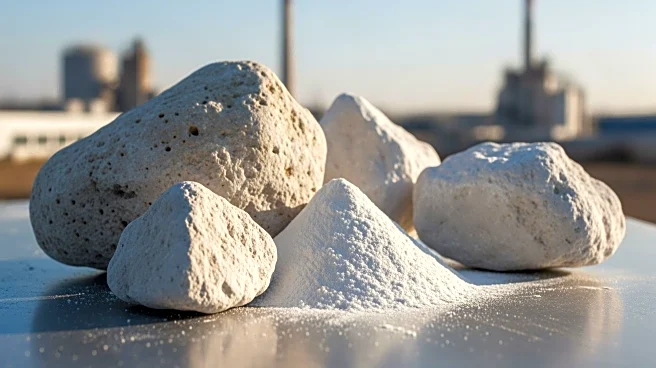
Ebonyi State in Nigeria is proposing the establishment of a new cement plant as part of its broader industrialization strategy. This initiative aims to capitalize on the state's abundant natural resources, such as limestone, gypsum, and clay, which are
essential for cement production. The proposed plant is intended to succeed the defunct NIGERCEM and address the persistent gap between cement demand and supply in Nigeria. Despite the country's substantial installed production capacity of 65.6 million tonnes annually, actual production often falls short due to operational challenges. The new plant is expected to help bridge this gap, support infrastructure development, and contribute to reducing Nigeria's housing deficit, which is estimated at 17 million units in urban areas.
Why It's Important?
The establishment of a cement plant in Ebonyi State is significant for several reasons. It represents a strategic shift towards non-oil sectors in Nigeria's economy, which is crucial as the country seeks to diversify away from oil dependency. The plant is expected to create numerous jobs, from skilled and semi-skilled labor in construction and operations to logistics and support services. This could significantly reduce poverty and provide stable employment opportunities, particularly in a region where many are engaged in precarious informal work. Additionally, the plant's industrial linkages could stimulate economic activity across various sectors, including quarrying, transport, and packaging, thereby contributing to broader economic growth.
What's Next?
For the proposed cement plant to succeed, it will require strong political will, technical competence, and adherence to social and environmental responsibilities. If managed transparently and sustained beyond electoral cycles, the plant could become a symbol of successful subnational industrialization. The project will need to be completed in a timely manner and maintained effectively to ensure it delivers on its promises of job creation, economic growth, and environmental stewardship. The success of this initiative could set a precedent for similar projects in other frontier states, potentially reshaping Nigeria's industrial landscape.
Beyond the Headlines
The proposed cement plant in Ebonyi State highlights the potential for subnational governments to drive industrialization and economic development. By leveraging local resources and focusing on strategic investments, states like Ebonyi can play a pivotal role in Nigeria's economic transformation. This approach underscores the importance of regional initiatives in achieving national development goals and demonstrates how local leadership can contribute to sustainable growth and intergenerational progress.