



What's Happening?
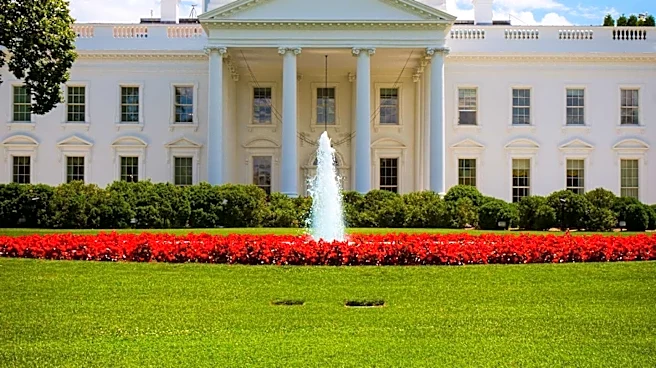
The national vaccine court, established in the 1980s, is facing scrutiny as vaccine skepticism rises in the U.S. The court, located near the White House, was designed to balance the societal benefits of vaccination with the rare instances of individual
harm. It has paid out billions to Americans claiming vaccine injuries. The court operates under the National Vaccine Injury Compensation Program, which was created to address public health concerns and prevent vaccine shortages by shielding manufacturers from direct lawsuits. However, the court is now dealing with a backlog of over 3,000 cases, leading to significant delays in compensation. This has been exacerbated by the politicization of vaccination issues, making legislative action difficult. The court's structure allows for compensation without proving negligence, focusing instead on the likelihood of a vaccine causing injury.
Why It's Important?
The vaccine court plays a crucial role in maintaining public trust in vaccination programs by providing a mechanism for compensation in rare cases of injury. Its ability to function effectively is vital for public health, especially as vaccine skepticism grows. The delays and backlog in the court could undermine confidence in the system, potentially affecting vaccination rates. This is significant as vaccines are a key tool in preventing diseases and maintaining public health. The court's challenges highlight the need for adequate resources and legislative support to ensure it can fulfill its mission. The situation also underscores the broader issue of how politicization can impact public health initiatives and the importance of maintaining a balanced approach to vaccine-related policies.
What's Next?
The court's chief special master has requested additional resources from Congress to address the backlog and expedite case resolutions. However, legislative action has been stalled due to the contentious nature of vaccine-related issues. If Congress does not act, the delays may continue, potentially leading to further public dissatisfaction. The court's future effectiveness will depend on its ability to adapt to increasing case volumes and maintain its role as a fair arbiter of vaccine injury claims. Stakeholders, including public health officials and lawmakers, may need to collaborate to find solutions that ensure the court can continue to support vaccine-injured individuals while promoting public confidence in vaccination programs.
Beyond the Headlines
The vaccine court's challenges reflect broader societal issues, such as the impact of misinformation and the politicization of science. The court's existence is a testament to the need for compromise and balance in public health policy, acknowledging both the benefits and risks of vaccination. The situation also raises ethical questions about how to fairly compensate individuals while encouraging vaccine development. The court's ability to navigate these complexities will be crucial in shaping public perceptions of vaccines and ensuring that public health policies remain effective and equitable.