
What's Happening?
CHS Field, home of the St. Paul Saints, has implemented a comprehensive sustainability program that includes rainwater harvesting and solar energy generation. The ballpark, a LEED Silver-certified stadium,
was developed on a former brownfield site, with contaminated soil remediation and extensive material recycling during its construction. Its rainwater collection system gathers runoff from approximately three-quarters of an acre of the neighboring Metropolitan Council Green Line Operations and Maintenance Facility's roof. This water is then directed through a pipe to a 27,000-gallon steel cistern located beneath the stadium concourse. After treatment, the collected rainwater is used for irrigating the playing field and flushing 13 public toilets. Additionally, the stadium incorporates rain gardens, planted swales, tree trenches, underground sand filters, and subfield filtration to manage stormwater runoff. These water management strategies are estimated to reduce the ballpark's water consumption by 450,000 gallons annually and remove about 90% of suspended solids from stormwater.
Why It's Important?
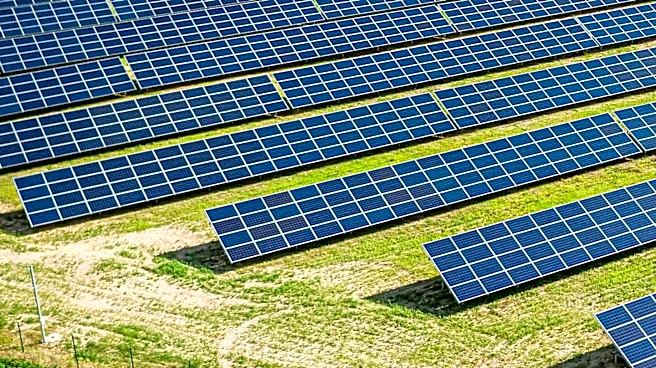
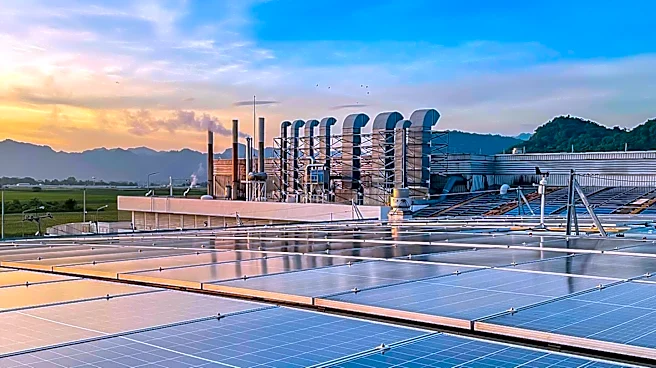
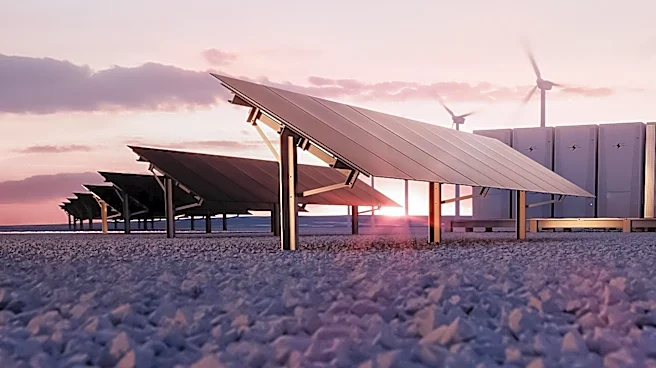
The sustainable practices at CHS Field demonstrate a viable model for integrating environmental responsibility into large-scale public venues. By significantly reducing water consumption through rainwater harvesting and treating stormwater, the ballpark lessens its reliance on municipal water supplies and mitigates its impact on local waterways. The removal of suspended solids from stormwater runoff helps prevent pollution, protecting aquatic ecosystems. The use of solar energy, which generates approximately 12.5% of the stadium's annual electricity needs, further reduces its carbon footprint and promotes renewable energy adoption. This initiative showcases how thoughtful design and operational choices can transform previously contaminated industrial sites into environmentally friendly community assets, setting a precedent for other urban developments and sports facilities across the U.S. to adopt similar green technologies and practices.
What's Next?
The success of CHS Field's sustainability initiatives could encourage other sports venues and large public facilities to explore and implement similar rainwater harvesting and renewable energy systems. Continued monitoring of the system's performance will provide valuable data for optimizing water and energy efficiency. There is potential for further integration of sustainable technologies, such as expanding solar capacity or exploring additional water reuse applications. The educational aspect of these initiatives, as highlighted by tours, suggests a growing public interest in sustainable infrastructure, which could lead to increased demand for green building practices and technologies in future U.S. construction projects. The ongoing commitment to sustainable operations by staff and vendors will be crucial for maintaining and enhancing the environmental benefits achieved.
Beyond the Headlines
The transformation of a brownfield into a LEED-certified ballpark like CHS Field signifies a broader shift towards urban regeneration and sustainable development. This project illustrates that environmental remediation and ecological design can be successfully integrated with economic development and community engagement. It challenges the traditional view of large public venues as significant resource consumers, instead positioning them as potential leaders in environmental stewardship. The combination of rainwater harvesting, solar power, and advanced stormwater management reflects a holistic approach to sustainability, addressing multiple environmental challenges simultaneously. This model could influence urban planning policies, promoting the redevelopment of neglected industrial sites into vibrant, eco-conscious spaces that benefit both the environment and local communities, fostering a culture of sustainability in urban environments.