









What's Happening?
Blue Origin is working to resume its New Glenn rocket launches following an explosion that occurred over a month ago. CEO Dave Limp outlined the company's plan to return to flight operations later this year. The explosion, which affected the aft section
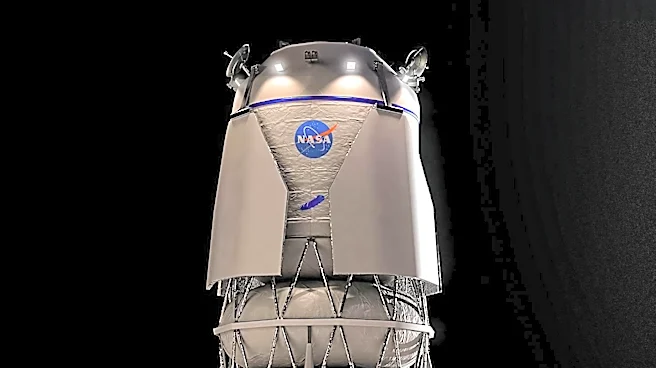
of the first stage, has led to a thorough investigation to identify and correct the root cause. The mishap has delayed the launch of the Blue Moon Mark 1 cargo lander, initially scheduled for late summer, to early 2027. NASA is closely collaborating with Blue Origin to ensure the timeline aligns with their Moon Base program requirements. The company is transitioning to a hybrid integration model to expedite the return to flight, utilizing both horizontal and vertical integration methods.
Why It's Important?
The delay in Blue Origin's New Glenn rocket launches has significant implications for U.S. space exploration efforts, particularly NASA's Moon Base program. The Blue Moon Mark 1 lander is crucial for delivering NASA science payloads to the Moon, and any delays could impact the timeline for establishing a sustainable lunar presence. Blue Origin's ability to resolve the technical issues and resume launches is vital for maintaining the momentum of U.S. space initiatives. The collaboration between NASA and Blue Origin highlights the importance of public-private partnerships in advancing space exploration and technology development.
What's Next?
Blue Origin aims to resume New Glenn launches by the end of 2026, with a focus on ensuring the reliability and safety of its rockets. The company is working on a hybrid integration model to streamline operations and avoid future delays. NASA will continue to monitor Blue Origin's progress and explore alternative options for its Moon Base program if necessary. The successful resolution of the current issues will be critical for Blue Origin's future missions, including the launch of NASA's VIPER mission and other lunar projects.