


What's Happening?
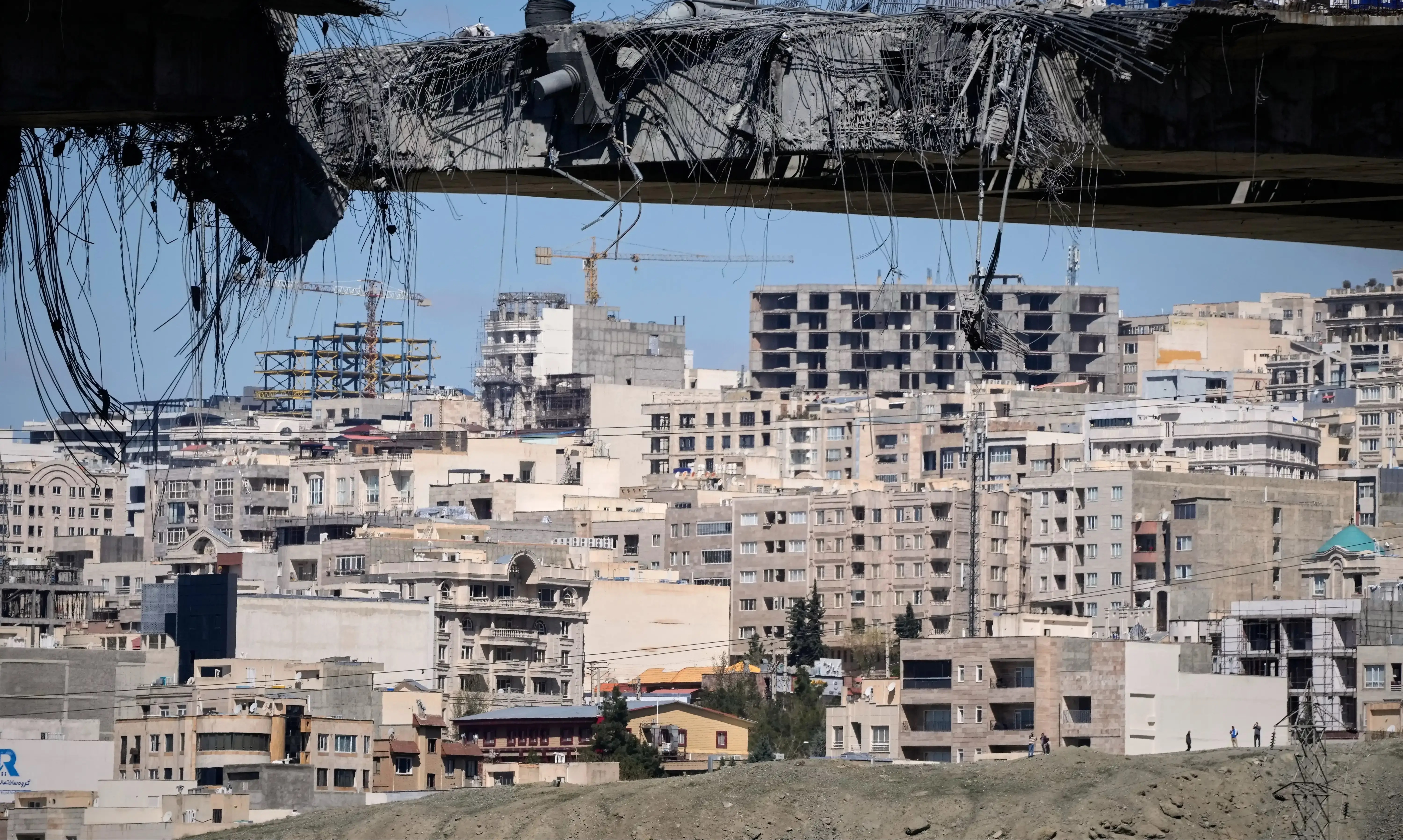
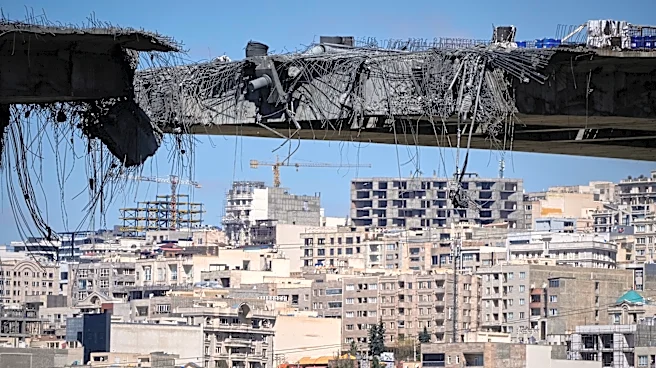
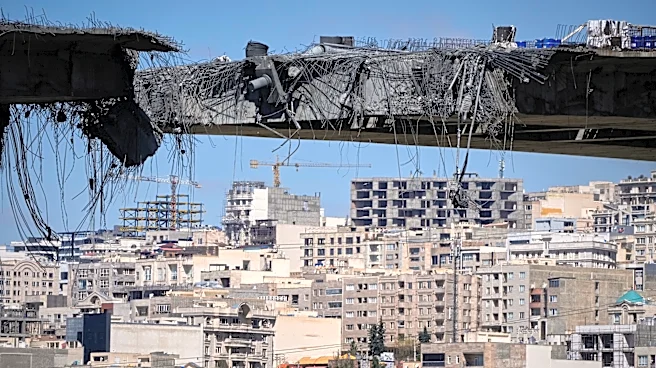
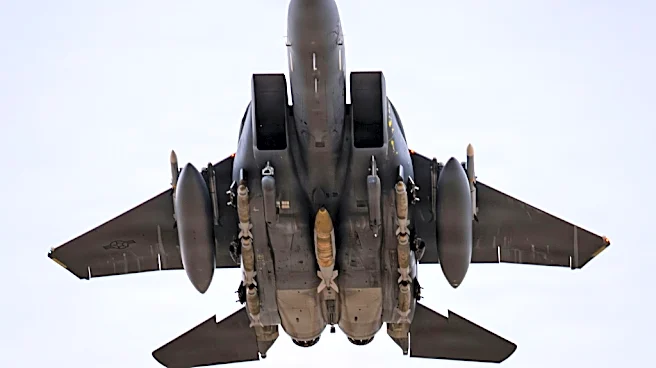
President Trump has issued a new ultimatum to Iran, threatening to attack its power plants and civilian infrastructure if Tehran does not fully reopen the Strait of Hormuz by Tuesday. This development comes amid ongoing tensions between the U.S., Israel,
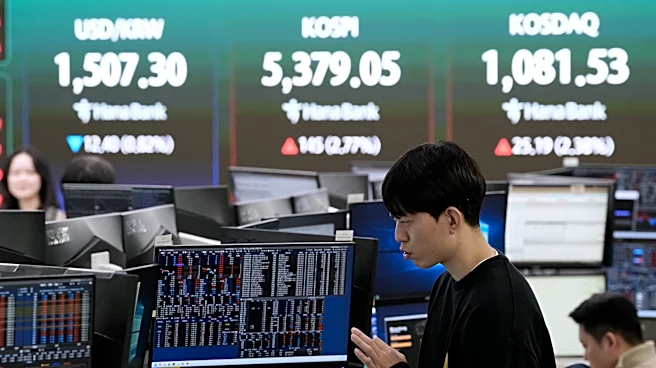
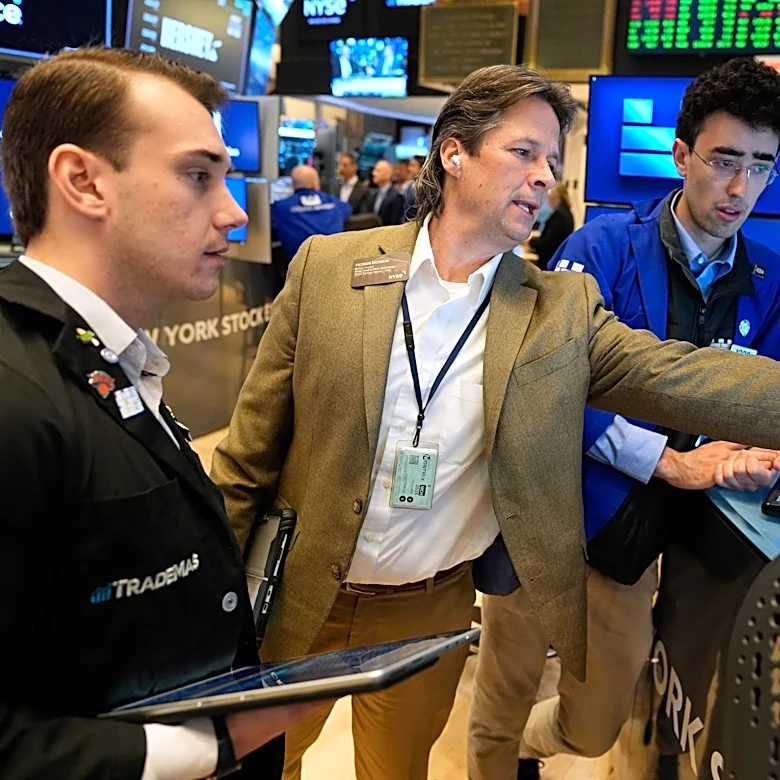
and Iran, which have been escalating since the conflict began on February 28. The Strait of Hormuz is a critical chokepoint for global oil supplies, handling about one-fifth of the world's oil before the conflict. In response to Trump's threats, Iran has continued its strikes on economic and infrastructure targets in the Gulf region, including Kuwait's oil headquarters. Meanwhile, oil prices have surged, with U.S. West Texas Intermediate and Brent crude both seeing significant increases. Asian markets have reacted to these developments, with Japan's Nikkei 225 and South Korea's Kospi both experiencing gains, despite many markets being closed for holidays.
Why It's Important?
The situation highlights the significant impact of geopolitical tensions on global oil markets and economic stability. The Strait of Hormuz is a vital artery for oil transportation, and any disruption can lead to substantial fluctuations in oil prices, affecting economies worldwide. The rise in oil prices could lead to increased costs for consumers and businesses, potentially slowing economic growth. Additionally, the conflict underscores the fragile nature of international relations and the potential for escalation into broader regional conflicts. The U.S.'s aggressive stance may also strain diplomatic relations with allies and adversaries alike, complicating efforts to achieve a peaceful resolution.
What's Next?
President Trump is scheduled to hold a press conference with military officials at the Oval Office, which may provide further insights into the U.S.'s strategy and intentions. The international community will be closely watching for any developments or changes in Iran's response to the ultimatum. The outcome of these events could have significant implications for global oil markets and geopolitical stability. Stakeholders, including OPEC members and global economic leaders, will likely continue to monitor the situation and adjust their strategies accordingly.