
What's Happening?
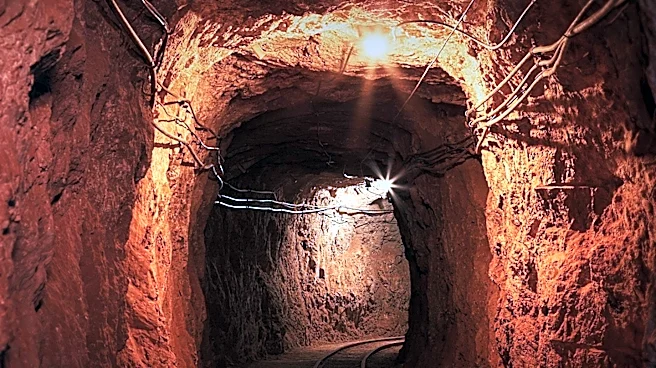
The Department of Energy (DOE) has approved Deep Fission's Nuclear Safety Design Agreement for its Gravity reactor, a 15-megawatt pressurized water reactor intended to be placed a mile underground near
Parsons, Kansas. This approval marks the first of four necessary steps in the DOE's authorization process. The reactor's design utilizes a mile of water above it as a containment measure, allowing the project to bypass a full environmental impact statement. This innovative approach could potentially transform the economics of nuclear power in the U.S. by reducing construction costs and regulatory hurdles. The approval is not for the reactor itself but for the plan to ensure its safety, setting the stage for further development and testing.
Why It's Important?
This development is significant as it represents a potential shift in how nuclear power plants are designed and approved in the United States. By using a mile of water as a containment dome, Deep Fission's approach could lower costs and expedite the deployment of nuclear technology. This could lead to increased adoption of nuclear power, contributing to energy diversification and potentially reducing reliance on fossil fuels. The project also highlights the DOE's willingness to explore alternative regulatory pathways, which could encourage innovation in the nuclear sector. However, the project faces opposition from local residents concerned about environmental and safety implications.
What's Next?
Deep Fission must now navigate the remaining steps in the DOE's authorization process, which include a preliminary safety analysis and a final safety analysis. The company also needs to secure a state permit for drilling the borehole necessary for the reactor's installation. The project's success depends on demonstrating the feasibility of the underground reactor design, which involves testing the installation sequence without nuclear material. If successful, Deep Fission plans to apply for a commercial operation license from the Nuclear Regulatory Commission by 2027.
Beyond the Headlines
The project raises broader questions about the future of nuclear energy in the U.S., particularly regarding public acceptance and regulatory frameworks. The use of a mile-deep borehole as a containment strategy could set a precedent for future nuclear projects, potentially leading to more decentralized and less intrusive nuclear facilities. However, the lack of a comprehensive environmental impact assessment has drawn criticism, highlighting the tension between innovation and environmental oversight. The outcome of this project could influence public policy and regulatory approaches to nuclear energy in the coming years.