




What's Happening?
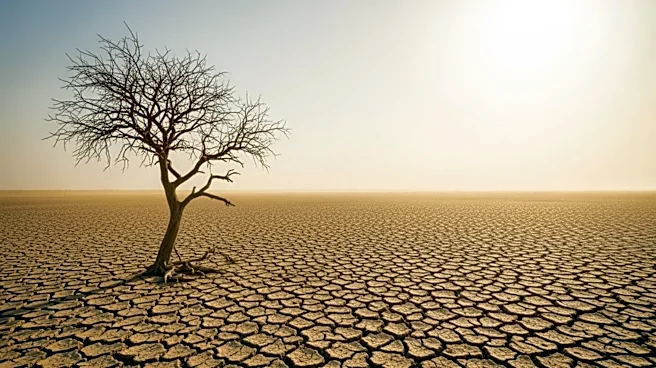
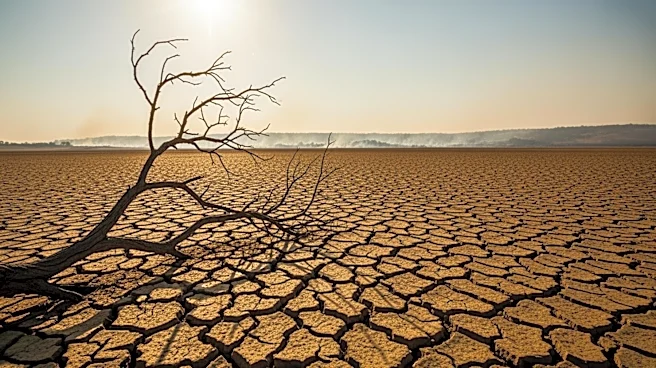
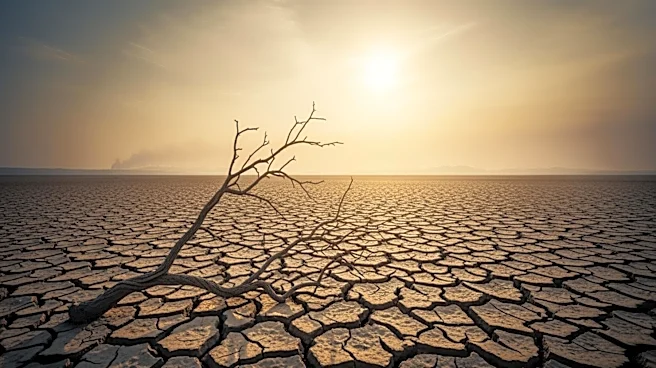
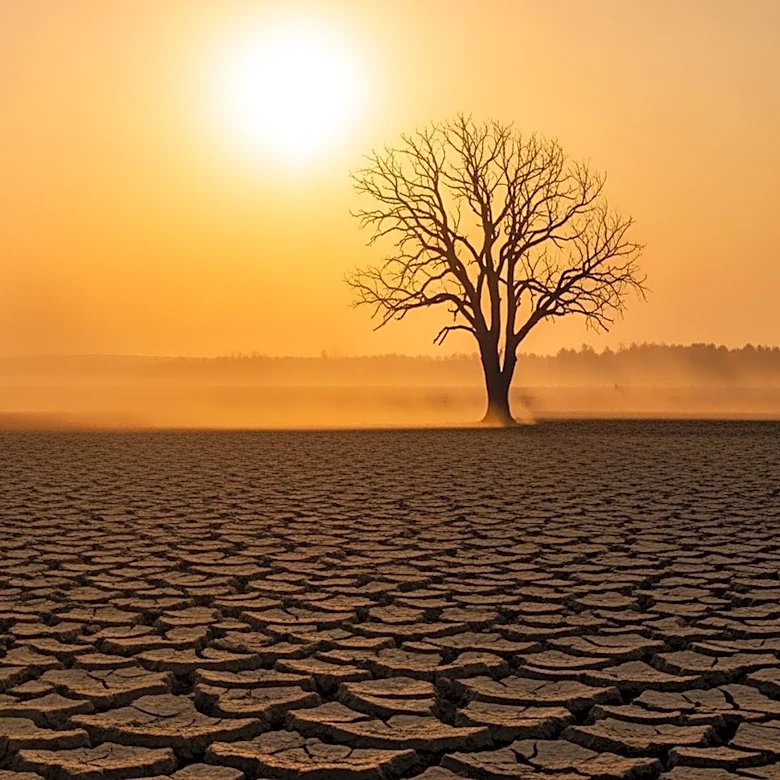
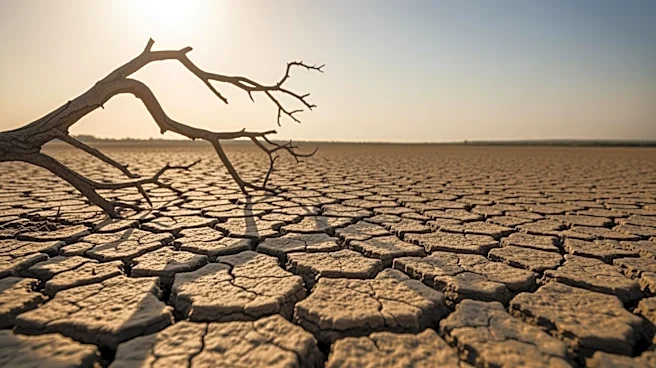
The contiguous United States is experiencing record levels of drought for this time of year, according to recent weather data. Meteorologists warn that this could lead to a challenging wildfire season, increased food prices, and significant water issues
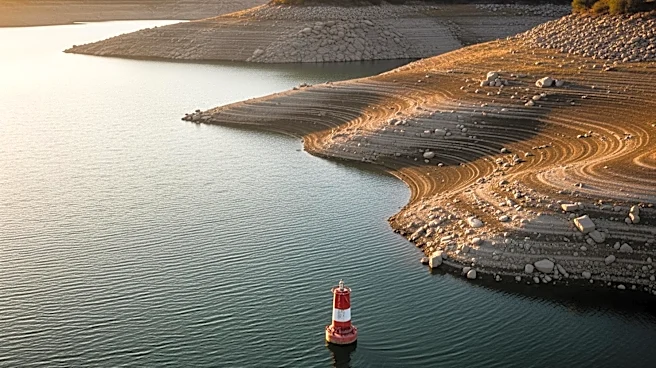
in the western regions. Currently, over 61% of the Lower 48 states are in moderate to exceptional drought, with the Southeast and two-thirds of the West being severely affected. The National Oceanic and Atmospheric Administration (NOAA) reports that March was the third-driest month on record, trailing only the Dust Bowl months of 1934. The drought is exacerbated by record heat and low snow levels, which are crucial for water storage in the West. The situation is compounded by a separate drought affecting the South, linked to the jet stream's altered path. Experts note that the current atmospheric conditions, including a high vapor pressure deficit, are unprecedented.
Why It's Important?
The ongoing drought poses significant risks to various sectors in the U.S. The potential for an intense wildfire season threatens both natural ecosystems and human settlements, particularly in the West. Water scarcity could impact agricultural productivity, leading to higher food prices and economic strain. The drought also highlights vulnerabilities in water management systems, especially in regions dependent on snowmelt for water supply. The situation underscores the broader impacts of climate variability and change, with potential long-term consequences for environmental and economic stability. The drought's severity and timing are unusual, raising concerns about the resilience of current infrastructure and policies to adapt to such extreme conditions.
What's Next?
As the drought continues, stakeholders including government agencies, farmers, and water managers will need to implement adaptive strategies to mitigate its impacts. This may involve revising water allocation policies, investing in drought-resistant agricultural practices, and enhancing wildfire preparedness. The situation also calls for increased collaboration between federal and state agencies to address the multifaceted challenges posed by the drought. Monitoring and forecasting efforts will be crucial in providing timely information to guide decision-making. Additionally, the drought may prompt discussions on long-term climate adaptation strategies to enhance resilience against future extreme weather events.