






What's Happening?
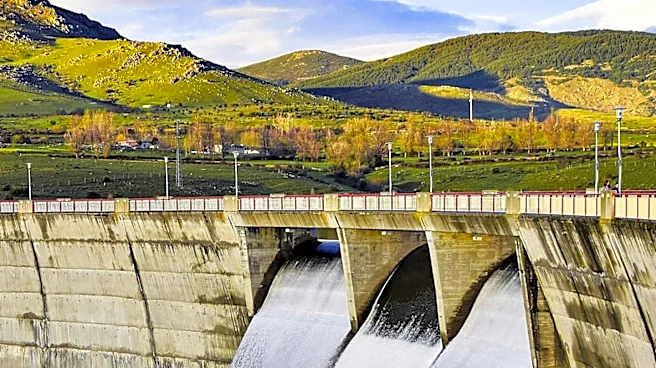
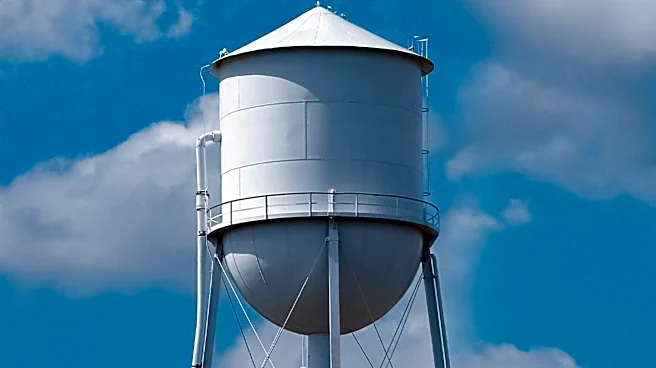
Cyberattacks targeting water systems in the United States have reportedly spread to at least seven states, with Iran being the primary suspect. While federal authorities have not confirmed Iran's involvement, the attacks have raised alarms about the security
of critical infrastructure. The cyberattacks have not resulted in water contamination, but they have compromised systems used to monitor and adjust water treatment processes. Minnesota was the first state to report the attacks, followed by confirmations from Michigan and other states. The situation is under investigation, with authorities emphasizing the preliminary nature of their findings.
Why It's Important?
The potential involvement of Iran in these cyberattacks highlights the ongoing cyber conflict between the U.S. and foreign adversaries. The attacks underscore the vulnerabilities in the nation's critical infrastructure, particularly in essential services like water supply. This incident could lead to increased scrutiny of cybersecurity measures and prompt calls for enhanced protection of public utilities. The situation also reflects the broader geopolitical tensions and the need for robust international cybersecurity cooperation to prevent similar incidents in the future.
What's Next?
As investigations continue, authorities will likely focus on identifying the perpetrators and strengthening defenses against future cyber threats. The incident may prompt legislative and policy changes to improve cybersecurity protocols for critical infrastructure. Additionally, the situation could lead to diplomatic discussions with Iran and other nations to address cyber warfare concerns. The outcome of the investigation will be crucial in shaping the U.S.'s cybersecurity strategy and its approach to international cyber relations.