




What's Happening?
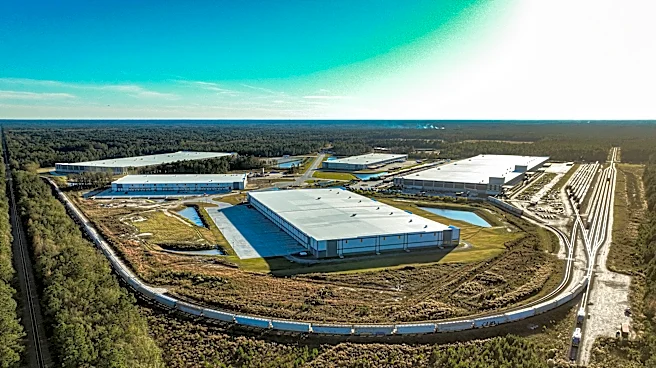
Project Primestone, a proposed development in Colorado Springs designed to simulate data center conditions for testing components, is facing an appeal. Co-appellants, represented by attorney Katherine Gayle of Integrity Matters, have filed the appeal. Integrity Matters is known
for opposing local developments, including a Buc-ee’s and the previously proposed Project Taurus data center. The appeal raises significant concerns regarding the project's potential energy and water consumption, environmental impacts such as noise, vibration, and heat, and its incompatibility with the surrounding area, which includes a high school, a sports park, and a jail. The project was initially approved administratively by planning staff, bypassing review by an appointed or elected board. The appeal states that the appellants reside within three miles of the proposed development at Vineyards Research Park (3819 Janitell Rd.) and maintained their standing by submitting written comments during the public comment period. A city spokesperson indicated that scheduling discussions are ongoing, with a tentative appeal hearing set for early November, possibly at the November 12 meeting.
Why It's Important?
This appeal highlights growing concerns over resource allocation and environmental impact in rapidly developing urban areas, particularly in Colorado Springs. Project Primestone's projected energy usage is substantial, with an initial build requiring 100 megawatts (MW) and a potential expansion to 200 MW. To put this in perspective, the coal-fired Ray D. Nixon Power Plant, slated for decommissioning by the end of 2032, generates approximately 260 MW. This level of energy demand, coupled with significant water usage, could strain existing infrastructure and accelerate the need for new energy sources, potentially impacting utility costs for residents and businesses. The environmental concerns, including noise and heat, could negatively affect the quality of life for nearby communities and raise questions about sustainable development practices. The involvement of Integrity Matters, a group with a history of opposing local developments, suggests a broader community sentiment regarding unchecked growth and its consequences, potentially influencing future development approvals in the region.
What's Next?
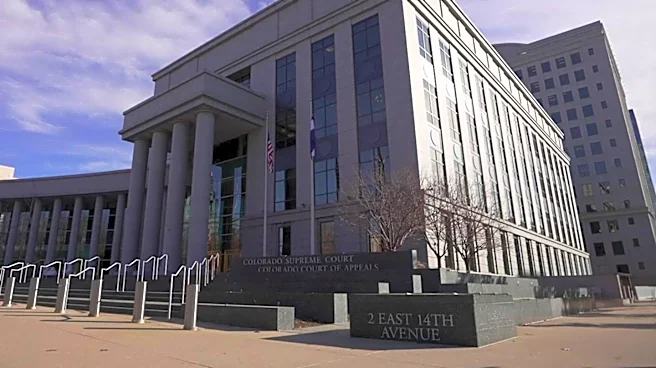
The next step for Project Primestone is the appeal hearing, tentatively scheduled for early November, possibly on November 12. During this hearing, the co-appellants, represented by Katherine Gayle, will present their arguments detailing the project's potential negative impacts on energy and water resources, the environment, and community compatibility. The city planning department, along with the applicant, will also present their cases. The outcome of this appeal could either halt or significantly alter the project's scope and design. If the appeal is successful, it could set a precedent for stricter environmental and resource impact assessments for future large-scale developments in Colorado Springs. Conversely, if the appeal is denied, Project Primestone could proceed, potentially leading to further community opposition or legal challenges. The decision will likely influence how similar projects are evaluated and approved in the city, impacting developers, environmental groups, and local residents.
Beyond the Headlines
The appeal against Project Primestone underscores a broader societal tension between economic development and environmental stewardship, particularly in regions experiencing rapid growth. The project, while not a traditional data center, mimics its operational demands, bringing to light the hidden costs of technological advancement. The significant energy and water requirements of such facilities raise ethical questions about resource consumption in an era of climate change and increasing water scarcity in the Western U.S. The administrative approval process, which bypassed elected or appointed boards, also highlights concerns about transparency and public participation in development decisions. This case could catalyze a re-evaluation of local zoning laws and approval processes, pushing for greater community input and more comprehensive environmental impact studies for projects with substantial resource demands. It also reflects a growing trend of community groups actively challenging developments they perceive as detrimental to their quality of life and the environment, potentially leading to more robust regulatory frameworks for large-scale industrial and technological projects.