
What's Happening?
Defense Secretary Pete Hegseth announced that the Pentagon will not release unedited video footage of a military strike in the Caribbean that resulted in the deaths of two survivors from an initial attack
on a drug-smuggling boat. The decision comes amid congressional scrutiny and demands for transparency regarding the military's actions in international waters. The strike is part of a broader US campaign against drug trafficking, which has involved increased military presence near Venezuela. Lawmakers are questioning the campaign's objectives and legality, particularly concerning the September attack that killed two survivors.
Why It's Important?
The refusal to release the video raises concerns about transparency and accountability in US military operations. The campaign against drug trafficking, while aimed at protecting American lives, poses ethical and legal challenges, especially when civilian casualties are involved. The situation underscores the tension between national security interests and adherence to international law. The campaign's focus on Venezuela also highlights geopolitical dynamics in the region, with potential implications for US foreign policy and relations with Latin American countries.
What's Next?
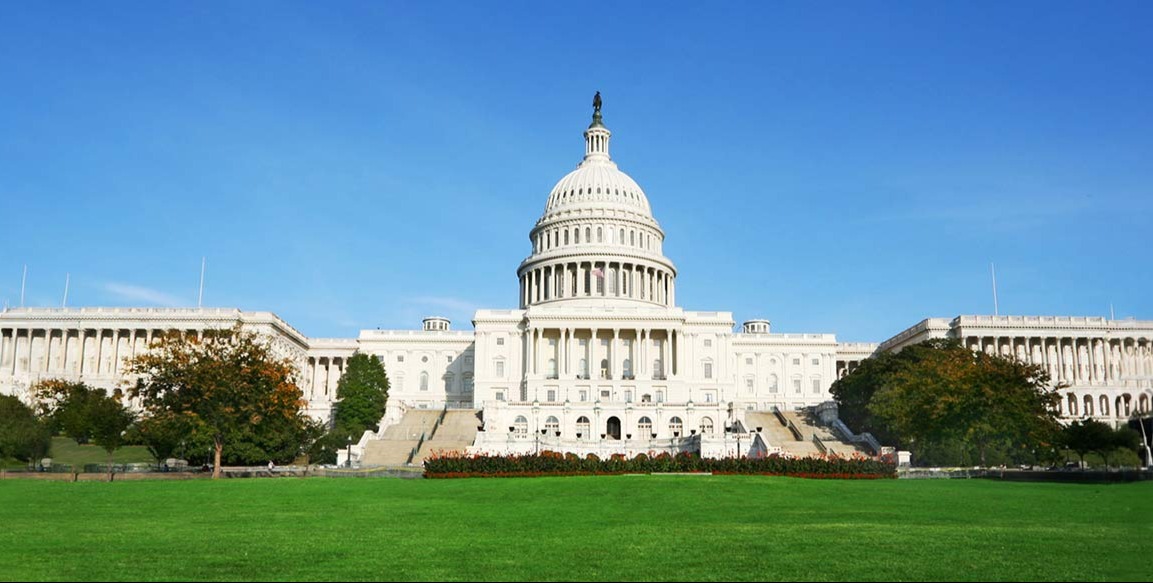
Congressional committees are expected to continue investigating the military's actions, with further briefings scheduled. Lawmakers may push for legislative measures to ensure greater oversight of military operations. The Trump administration's strategy in the region will likely face ongoing scrutiny, particularly regarding its impact on US-Venezuela relations and regional stability. The debate over the legality and ethics of the strikes could influence future military engagements and policy decisions.