


What's Happening?
The Trump administration has announced plans to resume wage garnishment for student loan borrowers who are in default. This policy change marks a significant shift in the handling of student loan repayments, particularly affecting those who have been
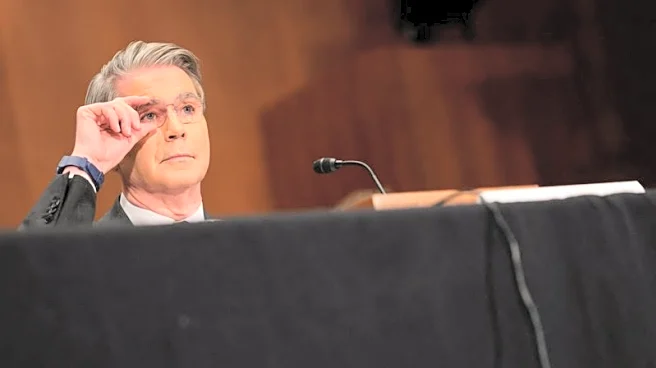
unable to meet their loan obligations. Michele Zampini, the associate vice president for federal policy and advocacy at the Institute for College Access and Success, has been involved in discussions about how borrowers can prepare for this change. The resumption of wage garnishment is part of broader changes to student loan policies, including the end of the SAVE Plan, which had previously provided relief to borrowers. This development is expected to impact a large number of borrowers who are currently in default, as wage garnishment allows the government to directly deduct loan repayments from a borrower's paycheck.
Why It's Important?
The resumption of wage garnishment for student loan defaulters is a critical development with significant implications for borrowers and the broader economy. For individuals in default, this policy means a direct reduction in their take-home pay, which could exacerbate financial difficulties for those already struggling. On a larger scale, this move reflects the administration's approach to managing the student loan crisis, potentially signaling a shift towards more stringent enforcement of loan repayments. This could lead to increased financial pressure on borrowers, potentially affecting consumer spending and economic stability. Additionally, the end of the SAVE Plan removes a safety net that had provided some relief to borrowers, further intensifying the financial burden on those in default.
What's Next?
As the policy is set to take effect, borrowers in default will need to prepare for the financial impact of wage garnishment. Advocacy groups and financial advisors are likely to play a crucial role in helping affected individuals navigate this change. There may also be increased calls for policy reform and discussions around alternative solutions to the student loan crisis. Stakeholders, including policymakers and educational institutions, may need to address the underlying issues contributing to high default rates and explore more sustainable solutions for managing student debt. The response from borrowers and advocacy groups could influence future policy decisions and potentially lead to legislative action aimed at providing relief or restructuring the student loan system.