




What's Happening?
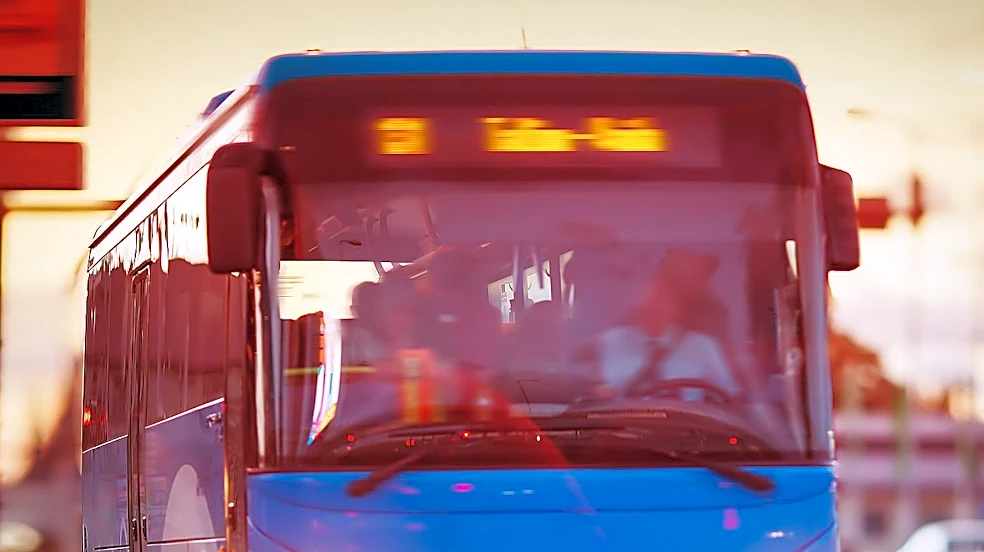
Midland Public Transit is set to begin providing transportation services in rural Hall County, Nebraska, starting Monday, November 2. This decision follows a unanimous 7-0 vote by the Hall County Commissioners on October 6, approving Midland Public Transit to take
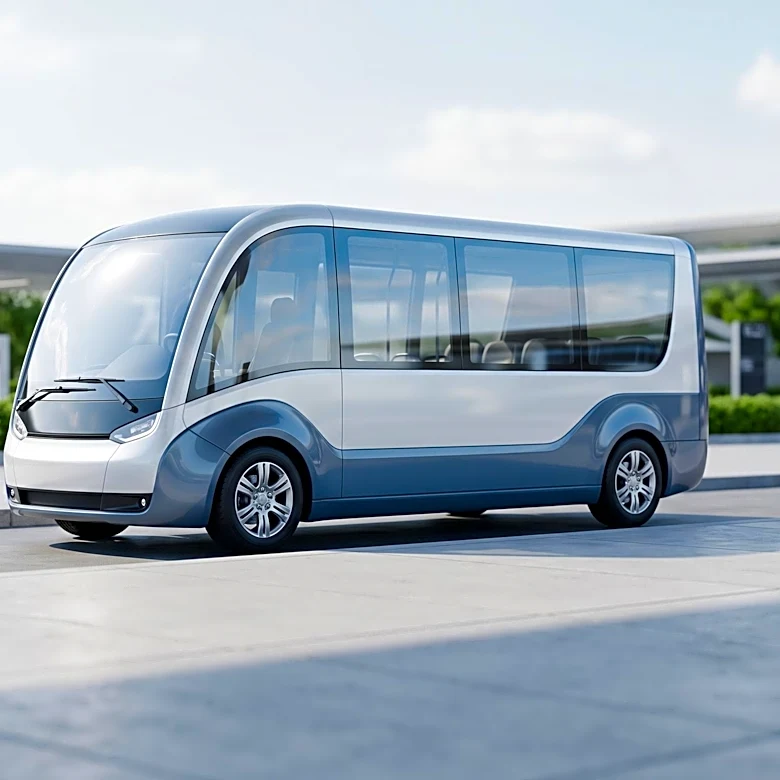
over these services. The new arrangement aims to maintain the same service hours and fees for riders, which are $2 for a one-way trip. Hall County will be responsible for the local match funds, covering 25% of operating costs (fuel, driver wages) and 10% of non-operating costs and new vehicle acquisitions. Midland Public Transit will handle hiring and training drivers, state reporting, and acquiring new vehicles. The county intends to transfer its current fleet of four vehicles to Midland Public Transit, with the proceeds from their sale contributing to the local match for new vehicle purchases. This transition is expected to save the county between $95,000 and $100,000 compared to previous years' total costs.
Why It's Important?
This transition is important for several reasons, primarily impacting rural residents' access to essential services and the financial sustainability of public transportation in Hall County. By maintaining existing service hours and fees, Midland Public Transit ensures continuity and affordability for approximately 2,200 to 2,400 riders who rely on these services for doctor appointments, shopping, and work. The county's financial savings, estimated at $95,000 to $100,000, are significant, especially in the context of reduced state and federal grant funds. This demonstrates a strategic effort to optimize public resources while preserving vital community services. The transfer of responsibilities to Midland Public Transit, an entity already operating in several other Nebraska counties, centralizes expertise in transit management, potentially leading to more efficient operations and better service quality. This move also highlights the growing recognition of the importance of public transit in supporting an aging and growing rural population.
What's Next?
As November 2 approaches, Midland Public Transit will finalize preparations for the takeover of rural Hall County transportation services. This includes the hiring and training of new drivers, if necessary, and integrating the transferred vehicle fleet. The county will work with Midland Public Transit to ensure a smooth transition, particularly regarding the financial aspects and the transfer of vehicles. Residents of rural Hall County can continue to book rides by calling 888-997-1655, with services available Monday through Friday from 7 a.m. to 5:30 p.m. Over the coming months, the effectiveness of the new arrangement will be monitored, particularly regarding rider satisfaction, operational efficiency, and the realization of projected cost savings. The success of this model could potentially influence other rural counties facing similar challenges in providing public transportation.
Beyond the Headlines
This development underscores the broader challenges and innovative solutions in providing public services to rural areas, particularly in states like Nebraska. Rural transportation is often a lifeline for vulnerable populations, including the elderly, low-income individuals, and those without personal vehicles. The decision by Hall County to partner with an established transit provider like Midland Public Transit reflects a trend towards regionalization and specialization in public service delivery, leveraging economies of scale and expertise. This model can serve as a blueprint for other counties struggling with the financial and logistical complexities of maintaining essential services amidst fluctuating funding. Furthermore, the emphasis on cost savings while preserving service quality highlights the increasing pressure on local governments to be fiscally responsible without compromising community well-being. The long-term success of this partnership will depend on continuous collaboration between the county and Midland Public Transit, adapting to the evolving needs of rural residents.