


What's Happening?
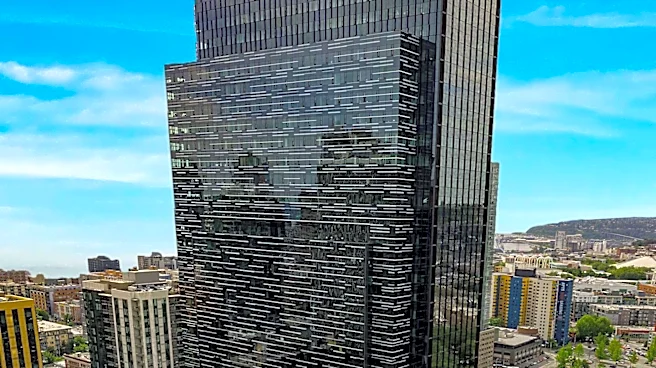
Two window washers were rescued by the Bellevue Fire Department after becoming stuck outside the 39th floor of a skyscraper located at 555 108th Ave NE in Bellevue. The incident occurred on a Friday evening. Rope technicians from the fire department were deployed
to the scene. They successfully extracted the stranded workers from their platform. Utilizing a specialized rope system, the technicians then lowered both individuals approximately 600 feet to the ground. The operation was conducted by the Bellevue Fire Department, ensuring the safe retrieval of the workers from the high-rise building. The specific cause of why the window washers became stuck was not detailed in the report.
Why It's Important?
This incident highlights the critical role of specialized emergency services, such as high-angle rescue teams within fire departments, in urban environments. The successful rescue underscores the importance of continuous training and advanced equipment for such operations, especially in cities with numerous high-rise buildings. For the construction and maintenance industries, particularly those involving work at significant heights, this event serves as a reminder of the inherent risks and the necessity for stringent safety protocols and equipment checks. The quick and effective response by the Bellevue Fire Department likely prevented potential injuries or fatalities, reinforcing public trust in emergency services. It also brings attention to the safety standards and emergency preparedness of building management for such occurrences.
What's Next?
Following the rescue, it is probable that an investigation will be conducted to determine the exact cause of the malfunction that led to the window washers becoming stranded. This investigation would typically involve workplace safety authorities and potentially the building management and the window washing company. The findings could lead to reviews of safety procedures, equipment maintenance protocols, and emergency response plans for high-rise building maintenance. There may also be discussions within the industry about enhancing safety regulations or implementing new technologies to prevent similar incidents. For the individuals involved, follow-up medical checks and debriefings are standard procedures to ensure their well-being and gather information about the event.
Beyond the Headlines
Beyond the immediate rescue, this event touches upon broader themes of occupational safety in hazardous work environments. Window washing on skyscrapers is inherently dangerous, requiring specialized training, robust safety gear, and strict adherence to protocols. The incident could prompt a wider re-evaluation of safety standards across the high-rise maintenance industry, potentially leading to calls for more frequent inspections of equipment, updated training for workers, and improved emergency communication systems. It also subtly highlights the often-unseen labor that maintains urban infrastructure and the risks associated with it, prompting a moment of reflection on worker safety in demanding jobs. The successful outcome also reinforces the value of public investment in highly trained and equipped emergency services.