




What's Happening?
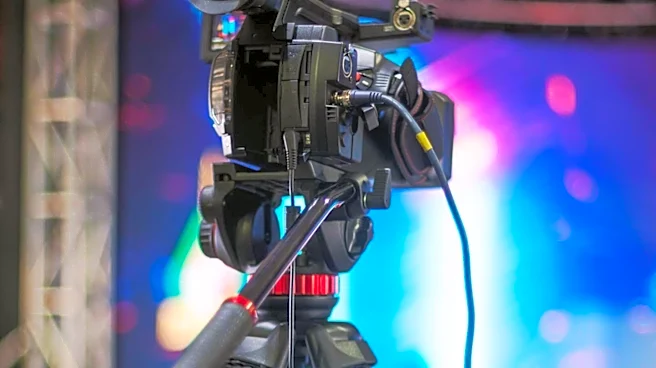
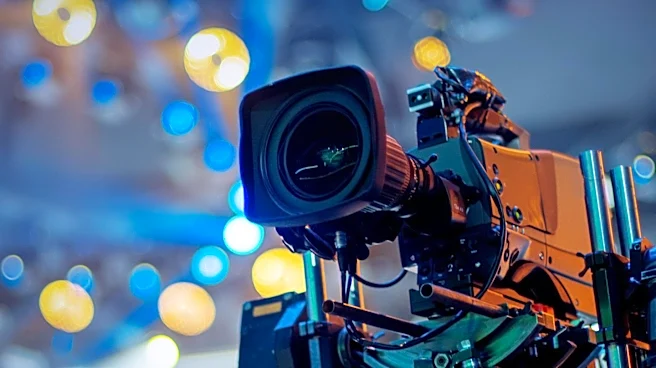
Derek Williams, a longtime cameraman for CBS News, has passed away at the age of 79. Williams had a distinguished career spanning four decades, during which he covered significant historical events across Asia, including the Vietnam War and the Tiananmen
Square massacre. He was known for his intuitive skills and ability to foresee events, making him a valuable asset in war zones. Williams had been living with Parkinson's disease and was recently diagnosed with cancer. His career began with a trial period in Hong Kong, and he went on to cover major conflicts and events, including the first Iraq War and the Beirut massacres. Williams was also known for his mentorship and camaraderie, as recalled by colleagues who worked with him over the years.
Why It's Important?
Derek Williams's work as a cameraman played a crucial role in bringing pivotal global events to the public eye, shaping the way these events were perceived internationally. His ability to capture the essence of conflict zones and significant historical moments contributed to the public's understanding of complex geopolitical issues. Williams's legacy is not only in the images he captured but also in the impact he had on his colleagues and the field of journalism. His passing marks the loss of a significant figure in broadcast journalism, whose work influenced both the industry and public discourse on international affairs.
What's Next?
As the journalism community reflects on Derek Williams's contributions, there may be discussions on the evolving role of war correspondents and the challenges they face in modern conflict reporting. Williams's career highlights the importance of experienced journalists in providing context and depth to news coverage. His passing may inspire renewed focus on the safety and support of journalists working in high-risk environments, as well as the need for mentorship and training for the next generation of reporters.
Beyond the Headlines
Derek Williams's career underscores the ethical considerations and personal sacrifices involved in war reporting. His experiences, such as marrying his Vietnamese girlfriend during the fall of Saigon, highlight the personal dimensions of working in conflict zones. Williams's story also raises questions about the emotional and psychological toll on journalists who witness and document human suffering and violence. His legacy may prompt discussions on the support systems available for journalists dealing with trauma and the importance of preserving the human element in news reporting.