







What's Happening?
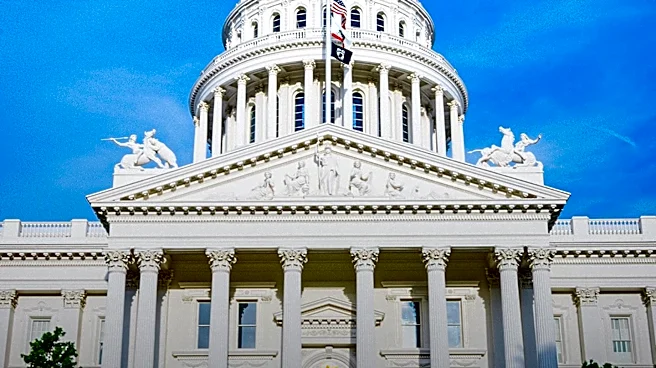
California is grappling with a significant housing shortage, estimated at 4 million units nationally, leading to a debate among policymakers regarding the most effective development strategy. State Senator Scott Wiener championed SB 79, a bill that overrides
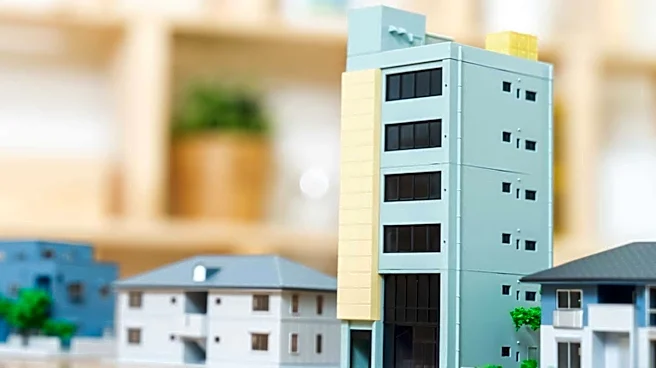
local zoning regulations to permit the construction of high-rise apartment buildings near transit hubs. This approach reflects a belief among some policymakers that increasing urban density through high-rises is the solution. However, gubernatorial candidate Steve Hilton and others advocate for an alternative strategy: encouraging the development of single-family homes. They argue that Californians, like most Americans, prefer single-family homes with yards, privacy, and a sense of ownership, viewing high-rises as less desirable long-term investments. This divergence highlights a fundamental disagreement on how to address the state's housing crisis, with one side favoring vertical growth in urban centers and the other advocating for outward expansion and traditional homeownership.
Why It's Important?
This debate is crucial for California's future housing landscape and has significant implications for its residents and economy. The choice between high-rise and single-family home development impacts urban planning, infrastructure, and the cost of living. Prioritizing high-rises could lead to increased population density in existing urban areas, potentially straining current infrastructure but offering more housing units in concentrated locations. Conversely, focusing on single-family homes would necessitate expanding infrastructure for water storage, energy production, and transportation to support new communities. The decision will also influence the American Dream for many Californians, as the desire for single-family homes remains strong across various demographics. The outcome will determine whether California's housing policy aligns with traditional homeownership aspirations or shifts towards a more urbanized, high-density living model, affecting affordability, quality of life, and environmental considerations.
What's Next?
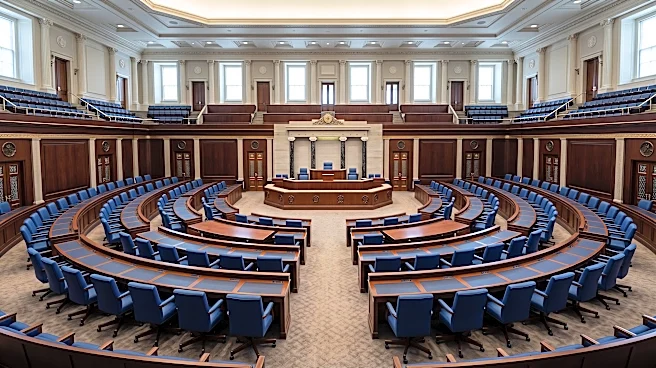
The immediate next steps involve continued legislative debate and potential policy adjustments regarding housing development in California. The current focus on high-rise apartments, as exemplified by SB 79, may face increasing opposition from those advocating for single-family homes. Policymakers will likely need to consider public sentiment and the practicalities of both approaches, including the capacity of existing infrastructure to support increased density or the environmental impact of outward expansion. Future discussions will also need to address funding for necessary infrastructure upgrades, regardless of the chosen development path. The ongoing housing shortage will continue to pressure lawmakers to find viable and widely accepted solutions, potentially leading to hybrid approaches that incorporate elements of both high-rise and single-family home development to meet diverse housing needs.
Beyond the Headlines
Beyond the immediate policy debate, this issue touches upon deeper societal and cultural values in the U.S. The preference for single-family homes, often associated with the 'American Dream,' reflects a desire for personal space, privacy, and property ownership. The push for high-rises, while addressing density and affordability in some views, challenges these traditional aspirations and can lead to concerns about gentrification and the changing character of neighborhoods. The debate also highlights the tension between environmental goals, such as reducing sprawl, and individual housing preferences. Furthermore, the discussion around 'green' orthodoxies suggests a broader ideological conflict over land use and development, where environmental concerns are weighed against economic development and housing accessibility. The long-term implications could reshape California's demographic patterns, social structures, and the very definition of community living in the state.