




What's Happening?
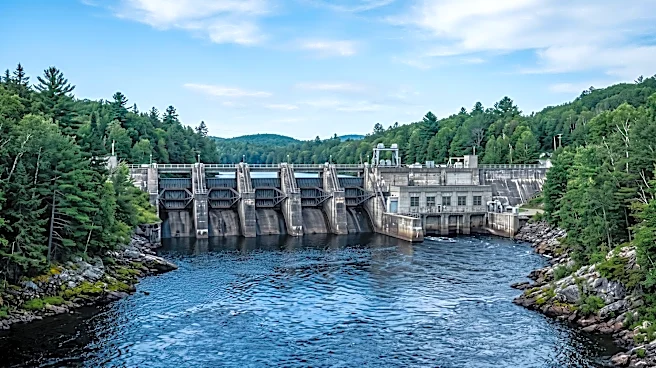
Maine wildlife officials are seeking $120,000 in payments from Great Lakes Hydro America, a subsidiary of energy giant Brookfield Renewable, for multiple mass fish strandings at the Ripogenus Dam. The Maine Department of Inland Fisheries and Wildlife
(MDIFW) proposed these payments to compensate for hundreds of landlocked salmon and brook trout killed in 2023, 2025, and 2026. These incidents occurred when water flows from the dam, located on the west branch of the Penobscot River near Baxter State Park, were abruptly reduced due to malfunctions. The department calculated the cost of dead fish and future recreational value at $40,000 per stranding. These funds, if approved by the Federal Energy Regulatory Commission (FERC), would be allocated to support fisheries restoration and improvement in the region. MDIFW is also recommending that Brookfield install a river gauge for better flow data and accelerate the replacement of electrical infrastructure to prevent future malfunctions. Brookfield has stated its support for mitigation payments related to flow interruptions and is reviewing MDIFW's recommendations.
Why It's Important?
This action by the MDIFW highlights the ongoing environmental impact of hydroelectric dam operations on vital aquatic ecosystems in Maine. The proposed payments underscore the economic and ecological value placed on native fish populations like landlocked salmon and brook trout, which are crucial for the region's biodiversity and recreational fishing industry. The demand for improved infrastructure and monitoring at the Ripogenus Dam reflects a broader push for greater accountability from energy companies regarding their environmental stewardship. If approved, this could set a precedent for how similar incidents are handled, potentially influencing operational standards and financial liabilities for other dam operators across the U.S. The case also brings attention to the role of federal regulators like FERC in balancing energy production with environmental protection, as their decision will impact both conservation efforts and the operational costs for energy providers.
What's Next?
Brookfield Renewable, through its affiliate Great Lakes Hydro America, is currently reviewing the MDIFW's recent filing and recommendations. The company intends to respond directly within the FERC docket, where the proposed payments and other measures will be considered. FERC will ultimately decide whether to approve the proposed $120,000 in payments and mandate the installation of a river gauge and accelerated infrastructure replacement. The outcome of this regulatory process will determine the financial compensation for the fish kills and could lead to new operational requirements for the Ripogenus Dam. Stakeholders, including environmental groups, local communities, and recreational fishing organizations, will likely monitor FERC's decision closely, as it could influence future environmental mitigation efforts related to hydroelectric power generation in Maine and beyond.
Beyond the Headlines
The recurring fish strandings at the Ripogenus Dam raise deeper questions about the long-term sustainability of aging energy infrastructure and the adequacy of current regulatory frameworks. While the immediate focus is on compensation and preventing future incidents, the underlying issue of infrastructure resilience in the face of environmental factors, such as lightning strikes, and equipment degradation is significant. This situation also highlights the complex interplay between energy production needs and ecological preservation, particularly in regions rich in natural resources. The MDIFW's proactive stance could signal a growing trend of state agencies asserting stronger environmental protections, potentially leading to increased scrutiny of industrial operations impacting natural habitats. The case may also prompt broader discussions on how to best value and restore ecological damage, moving beyond simple monetary compensation to more comprehensive ecosystem recovery strategies.