






What's Happening?
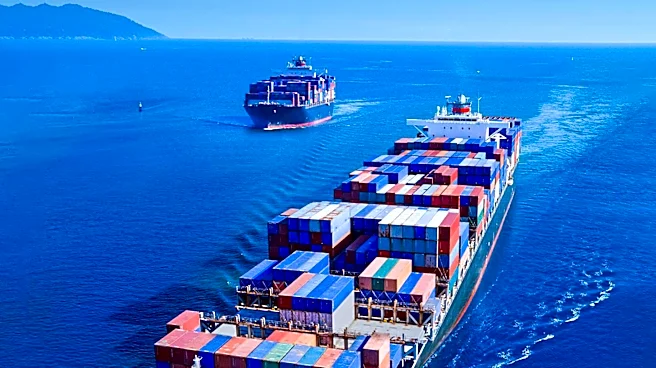
Yemen's Houthi rebels have declared a naval blockade on Saudi Arabian oil shipments through the Red Sea, targeting tankers linked to Saudi Arabia, Israel, and the United States. This action has caused oil prices to surge past $100 a barrel, marking a significant
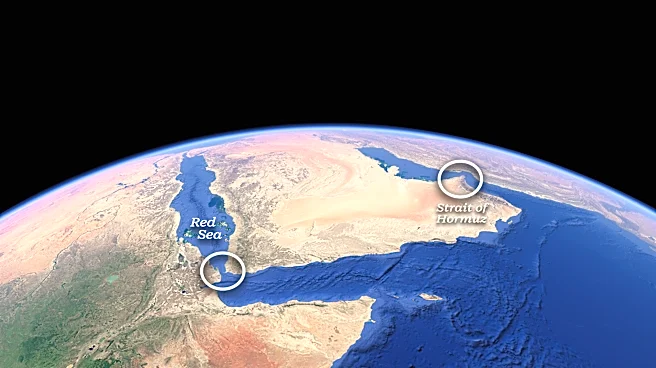
increase since late May. The blockade affects the Bab el-Mandeb strait, a critical chokepoint for global oil trade. Analysts are closely monitoring which vessels the Houthis allow to pass, as this will influence market trends. The situation is further complicated by the ongoing closure of the Strait of Hormuz by Iran, which has retaliated against U.S. and Israeli actions.
Why It's Important?
The Houthi blockade in the Red Sea is reshaping the dynamics of global oil trade, affecting who can transport Saudi crude rather than whether it moves at all. The rise in oil prices impacts economies worldwide, increasing costs for consumers and businesses. The blockade also highlights the strategic importance of maritime chokepoints in global trade and the potential for geopolitical conflicts to disrupt energy supplies. The situation underscores the vulnerability of global oil markets to regional conflicts and the need for diversified energy sources.
What's Next?
Observers are watching the situation closely to see how it evolves, particularly regarding the Houthis' enforcement of the blockade. The international community may seek diplomatic solutions to ease tensions and ensure the free flow of oil through the Red Sea. The U.S. and its allies might consider military or economic measures to counter the Houthi actions and stabilize oil markets. The outcome of these developments will have significant implications for global energy security and economic stability.