

What's Happening?
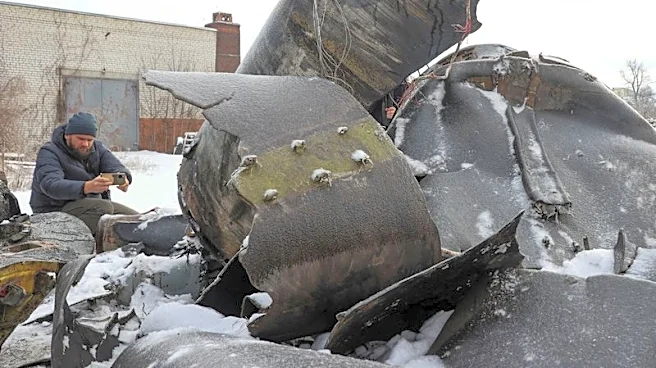
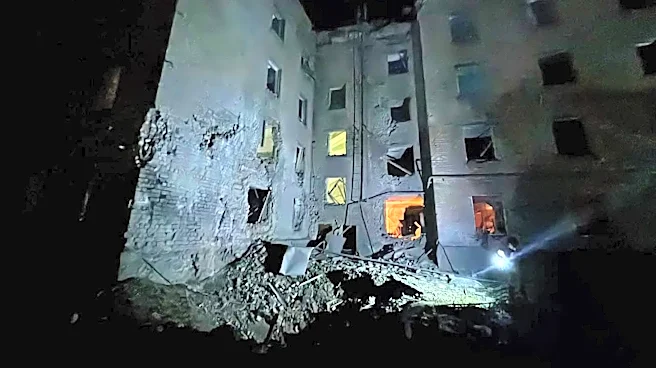
Senator Jeanne Shaheen, a senior member of the Senate Armed Services Committee, has linked the recent deadly attacks in Kyiv to delays in imposing tougher sanctions on Russia and providing Ukraine with more air defense interceptors. The attacks, which
resulted in 17 deaths and over 40 injuries, highlighted Ukraine's shortage of ballistic interceptors. Shaheen emphasized that every day of delay in passing sanctions or providing defense support results in more Ukrainian casualties. The Senate has shown overwhelming bipartisan support for the Lindsey O. Graham Sanctioning Russia and Iran Act of 2026, which aims to impose new sanctions on Russia's energy and financial sectors. The bill also targets countries like China that continue to purchase Russian energy, thereby financing Moscow's war efforts.
Why It's Important?
The situation underscores the critical role of international support in Ukraine's defense against Russian aggression. The proposed sanctions aim to increase economic pressure on Russia, potentially crippling its ability to sustain military operations. By targeting Russia's energy and financial sectors, the sanctions could significantly impact the country's economy. The bipartisan support for the sanctions bill reflects a unified stance in the U.S. Congress against Russia's actions. The legislation also serves as a warning to countries that continue to support Russia economically, potentially altering global energy trade dynamics. The outcome of these measures could influence the geopolitical landscape and the future of U.S.-Russia relations.
What's Next?
The sanctions bill, having passed the Senate with strong bipartisan support, awaits further congressional action before becoming law. If enacted, it could lead to increased economic isolation for Russia and pressure on countries like China to reconsider their energy purchases. The U.S. may also expedite the delivery of air defense systems to Ukraine, enhancing its ability to protect against missile attacks. The international community will be watching closely to see how these developments affect the ongoing conflict and whether they lead to a shift in Russia's military strategy or diplomatic engagement.