





What's Happening?
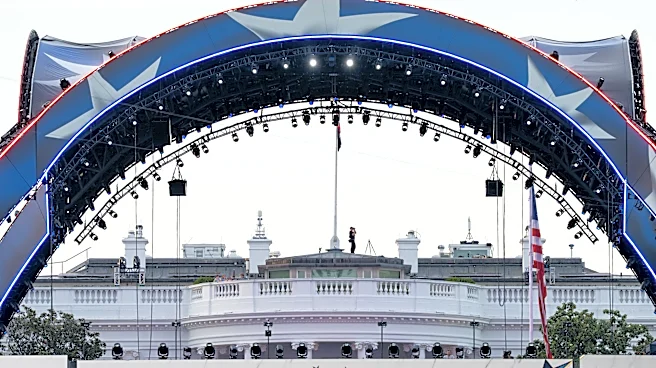
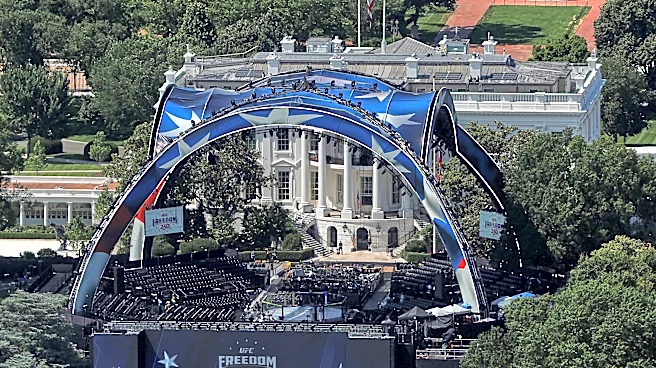
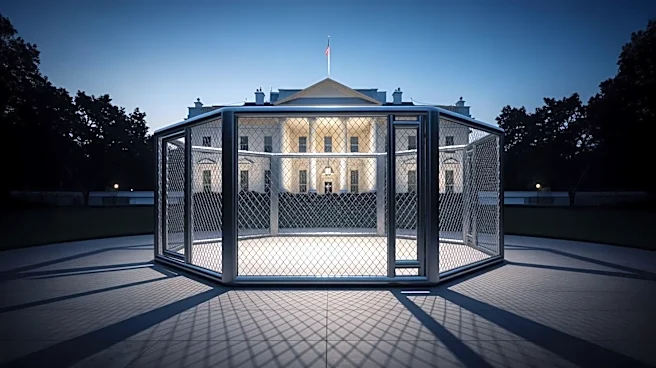
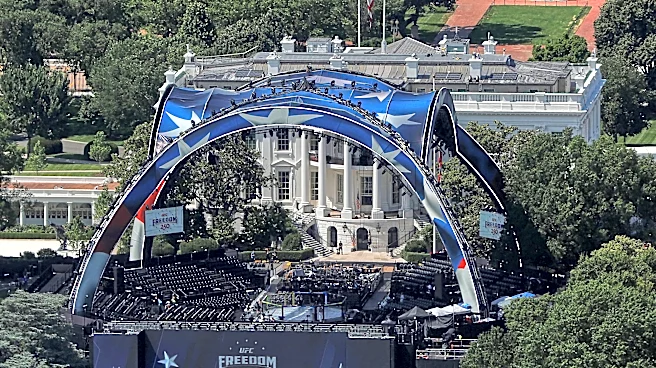
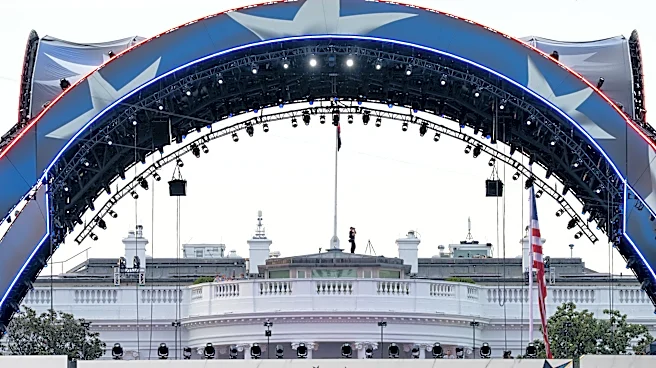
President Trump recently hosted a UFC event at the White House, which has sparked significant controversy and legal scrutiny. The event, held on Trump's birthday, was criticized for potentially using the presidential office for personal financial gain.
Critics argue that the event was a commercial endeavor, benefiting a company in which Trump has investments and promoting Trump-branded merchandise. The judiciary's response to this event has been notably passive, as no ruling was issued in time to prevent the event from taking place. This situation highlights ongoing tensions between Trump and the legal system, as courts have frequently ruled against him in various legal challenges. Despite these rulings, Trump continues to criticize the judiciary, accusing it of being biased and corrupt.
Why It's Important?
The event underscores ongoing concerns about the intersection of personal business interests and public office, particularly in the context of the presidency. The use of the White House for a commercial event raises ethical questions about the appropriate use of public resources and the potential for conflicts of interest. The judiciary's reluctance to intervene in this case may reflect broader challenges in holding public officials accountable, especially when faced with complex legal and procedural hurdles. This situation also highlights the potential erosion of public trust in the legal system, as repeated legal challenges against Trump have not deterred similar actions. The broader implications for U.S. politics include the need for clearer guidelines and enforcement mechanisms to prevent the misuse of public office for personal gain.
What's Next?
Moving forward, there may be increased pressure on the judiciary to take a firmer stance against perceived abuses of power by public officials. Legal experts and commentators may call for reforms to ensure that the legal system can effectively address and prevent conflicts of interest and the misuse of public office. Additionally, there may be calls for greater transparency and accountability in the financial dealings of public officials, particularly those in high office. The ongoing legal battles involving Trump could also influence future judicial appointments and the broader political landscape, as public officials and judges may be evaluated based on their responses to these challenges.
Beyond the Headlines
The event at the White House may have long-term implications for the perception of the presidency and the role of ethics in public office. It raises questions about the balance between political power and personal interests, and the extent to which public officials can leverage their positions for personal benefit. This situation also highlights the potential for legal and ethical standards to evolve in response to new challenges, as society grapples with the complexities of modern governance. The ongoing scrutiny of Trump's actions may serve as a catalyst for broader discussions about the role of ethics in politics and the importance of maintaining public trust in democratic institutions.