





What's Happening?
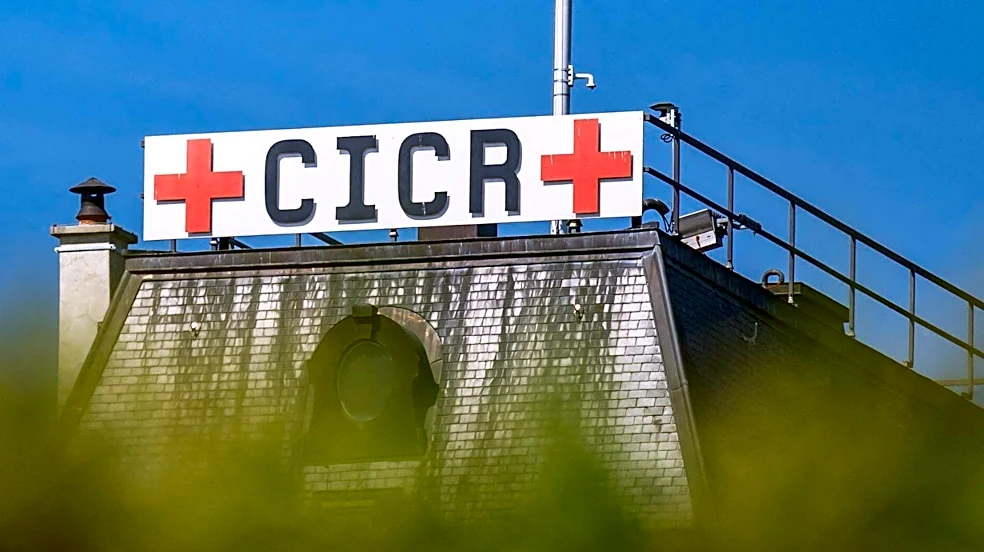
The International Committee of the Red Cross (ICRC) is advocating for states to integrate international humanitarian law (IHL) into their counterterrorism operations and legislation. The ICRC emphasizes that while it is not directly involved in counterterrorism,
its core function is to protect and assist vulnerable people during armed conflict. The organization highlights that acts of terrorism, when committed during armed conflict, constitute war crimes under the Geneva Conventions. The ICRC works with armed forces globally, including the People's Liberation Army for nearly 40 years, to foster respect for IHL. This includes engaging confidentially with all parties to armed conflicts to address the humanitarian effects of hostilities, visit detainees, and act as a neutral intermediary when parties cannot communicate directly. The ICRC stresses the importance of humanitarian exceptions in counterterrorism legislation and UN Security Council Resolutions to allow humanitarian organizations to perform their duties without being criminalized.
Why It's Important?
The ICRC's call for the integration of IHL into counterterrorism frameworks is crucial for maintaining humanitarian principles in an evolving global security landscape. Without clear humanitarian exemptions, counterterrorism laws can inadvertently impede the ability of organizations like the ICRC to provide essential aid and protection to civilians and combatants alike. This could lead to increased suffering, prolonged conflicts, and a breakdown of international norms designed to mitigate the brutality of war. The emphasis on humane treatment for detainees, regardless of their classification as terrorists, underscores the universal application of IHL. Furthermore, the ICRC's role as a neutral intermediary is vital for facilitating communication and de-escalation in conflicts where direct dialogue between warring parties is impossible, potentially saving lives and reducing the overall impact of hostilities.
What's Next?
The ICRC will continue its confidential bilateral dialogues with parties involved in armed conflicts to secure access to detention facilities, improve conditions for detainees, and ensure humane treatment. It will also persist in conducting awareness sessions on IHL with military personnel to promote respect for rules protecting civilians and those no longer participating in hostilities. The organization will advocate for the inclusion of humanitarian exceptions in counterterrorism legislation and UN sanctions to safeguard humanitarian space. States are encouraged to understand the legal framework for armed conflict, protect the integrity of IHL in their directives on the use of force, and defend humanitarian space by ensuring that aid delivery and medical neutrality are not criminalized in the name of counterterrorism.
Beyond the Headlines
The ICRC's advocacy highlights a fundamental tension between national security imperatives, particularly in counterterrorism, and the universal principles of international humanitarian law. The challenge lies in ensuring that efforts to combat terrorism do not inadvertently undermine the very legal frameworks designed to protect human dignity during conflict. The ICRC's neutral and independent approach, relying solely on the Red Cross emblem for access and protection, underscores the ethical dimension of humanitarian work. The organization's long-standing engagement with diverse armed forces, including those in China, demonstrates the persistent effort required to embed IHL principles into military doctrine and practice. This ongoing dialogue is essential for preventing the erosion of humanitarian space and ensuring that even in the most challenging environments, the basic rights of individuals affected by conflict are upheld.