







What's Happening?
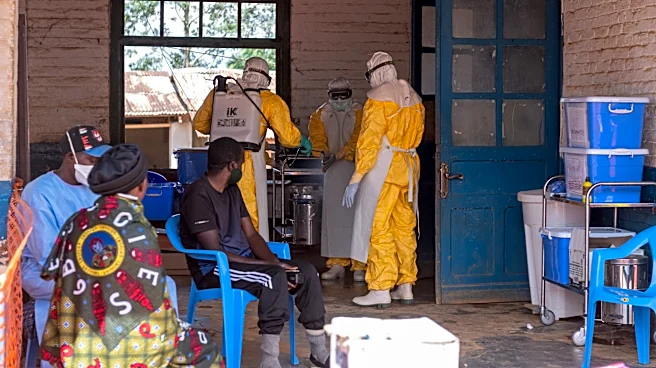
The United States is setting up a quarantine facility in Nanyuki, Kenya, to monitor American citizens who have been exposed to Ebola in the Democratic Republic of Congo, South Sudan, or Uganda. This initiative, backed by a $13.5 million commitment from
the U.S., aims to prevent the virus from entering the United States. However, the move has sparked protests in Kenya, with locals expressing concerns about the potential introduction of the virus into their country. The Kenyan government has approved the facility, but a high court ruling has challenged its establishment. U.S. Secretary of State Marco Rubio emphasized the facility's importance for American safety, although he later clarified that Americans could return to the U.S. for treatment if necessary.
Why It's Important?
The establishment of the quarantine facility highlights the U.S. government's proactive measures to protect its citizens from the Ebola virus, which poses a significant public health threat. The decision underscores the complexities of international health diplomacy, as it has led to tensions with the Kenyan public and legal challenges. The facility's creation reflects broader concerns about global health security and the need for international cooperation in managing infectious disease outbreaks. The backlash in Kenya also illustrates the delicate balance between safeguarding national interests and respecting the sovereignty and concerns of host countries.
What's Next?
The U.S. plans to proceed with the construction of the quarantine facility despite local protests and legal challenges. The Kenyan government, having approved the facility, may face increased pressure from its citizens and legal institutions to reconsider its stance. The situation could lead to further diplomatic discussions between the U.S. and Kenya to address public concerns and ensure transparency. Additionally, the effectiveness of the facility in preventing Ebola cases from reaching the U.S. will be closely monitored, potentially influencing future international health policies.