
What's Happening?
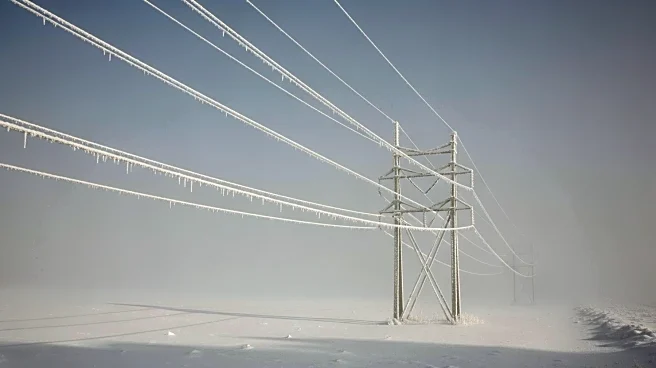
A massive winter storm has swept across the United States, affecting approximately 220 million people with heavy snow, ice, and widespread power outages. The storm has resulted in at least 19 fatalities
from Texas to New York. As the storm clears, dangerous cold temperatures have settled in, with many areas, including Washington D.C., not expected to rise above freezing until early February. The storm has left significant damage, particularly in Oxford, Mississippi, where Mayor Robyn Tannehill described the scene as catastrophic, with fallen trees and power lines. Over 600,000 customers are experiencing power outages, primarily in the South, with Tennessee, Mississippi, and Louisiana being the hardest hit. Efforts to restore power are ongoing, but the frigid temperatures and icy conditions are hampering progress.
Why It's Important?
The storm's impact is significant due to the extensive power outages and the prolonged cold temperatures, which pose a risk to public safety and infrastructure. The outages have forced many residents to seek alternative shelter, and the cold weather could lead to further complications such as frozen pipes and structural damage. The situation highlights the vulnerability of the U.S. power grid to extreme weather events, raising concerns about the resilience of infrastructure in the face of climate change. The economic impact is also considerable, with disruptions to daily life, commerce, and transportation. The storm serves as a reminder of the need for improved preparedness and response strategies to mitigate the effects of such extreme weather events.
What's Next?
Forecasters are monitoring the potential for another storm near the East Coast this weekend, which could exacerbate the current situation. The ongoing cold temperatures are expected to continue straining power grids, with the possibility of further outages as demand peaks. Local officials are urging residents to use warming centers and are working to restore power as quickly as possible. The situation underscores the importance of investing in infrastructure improvements and emergency response capabilities to better handle future extreme weather events.