



What's Happening?
A 48-year-old father from Nagoya, Japan, was reprimanded by police after leaving his 7-year-old son alone on Mount Fuji's Fujinomiya Trail. The incident occurred on Thursday when the father was hiking with both his 7-year-old and an older son, aged 12
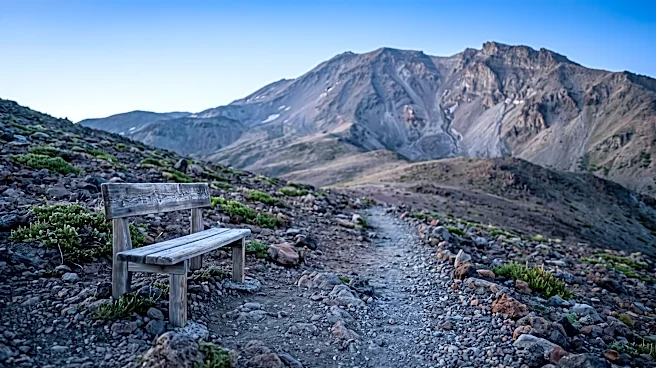
or 13. The younger boy complained of being tired near the trail's sixth checkpoint, approximately 8,000 feet up the mountain. His father instructed him to 'wait here' and continued climbing towards the summit with his older son. The climb from the sixth checkpoint to the summit typically takes over five hours, with an additional two and a half hours to return to the same point. Police believe the father left the boy around 4:30 a.m. A mountain hut worker found the child sitting alone on a bench around 7:40 a.m., brought him inside for shelter, and contacted authorities. The father, who had reached near the eighth checkpoint, was contacted by officers and ordered to return to retrieve his son. The child was unharmed and safely reunited with his father.
Why It's Important?
This incident highlights critical safety concerns and parental responsibilities during outdoor activities, particularly in challenging environments like Mount Fuji. The police's strong reprimand to the father, stating that 'Even if it means having to give up on climbing the mountain together, leaving a child behind is unacceptable,' underscores the universal expectation for child safety and supervision. This event serves as a cautionary tale for parents and guardians globally, emphasizing the potential dangers of underestimating the physical and emotional limits of children during strenuous activities. It also brings to light the role of public safety officials and mountain rescue services in monitoring and responding to such situations, ensuring the well-being of individuals on popular hiking trails. The father's admission of making a 'rash decision' reflects a lapse in judgment that could have had severe consequences, reinforcing the need for careful planning and realistic assessments of capabilities when undertaking adventures with minors.
What's Next?
Police have not yet indicated whether the father will face any charges, suggesting that an investigation into the incident may be ongoing to determine if any laws were violated regarding child neglect or endangerment. This case could lead to increased public awareness campaigns by Japanese authorities or mountain management organizations regarding responsible hiking practices, especially for families with young children. Officials have already issued a broader warning to hikers, urging groups to stay together and set their pace according to the least physically capable member. This advice is likely to be reiterated and potentially formalized into guidelines for climbers on Mount Fuji and other popular trails. The incident may also prompt discussions about the adequacy of current safety protocols and surveillance on such trails, potentially leading to enhanced monitoring or more visible presence of park rangers or volunteers to prevent similar occurrences.
Beyond the Headlines
This event transcends a simple safety incident, touching upon deeper cultural and ethical considerations regarding parental decision-making and the pursuit of personal goals versus familial responsibilities. The father's determination to reach the 'iconic summit' despite his child's distress raises questions about the pressures individuals might feel to complete challenging feats, sometimes at the expense of others' well-being. It also subtly highlights the potential for misjudgment in high-altitude environments, where fatigue and ambition can cloud rational thought. The swift intervention by a mountain hut worker and the police demonstrates a societal commitment to protecting vulnerable individuals, even in remote settings. This incident could spark broader conversations about the psychological aspects of adventure sports, the importance of humility in the face of nature, and the ethical frameworks that should guide parents in balancing their personal aspirations with the paramount duty of safeguarding their children.